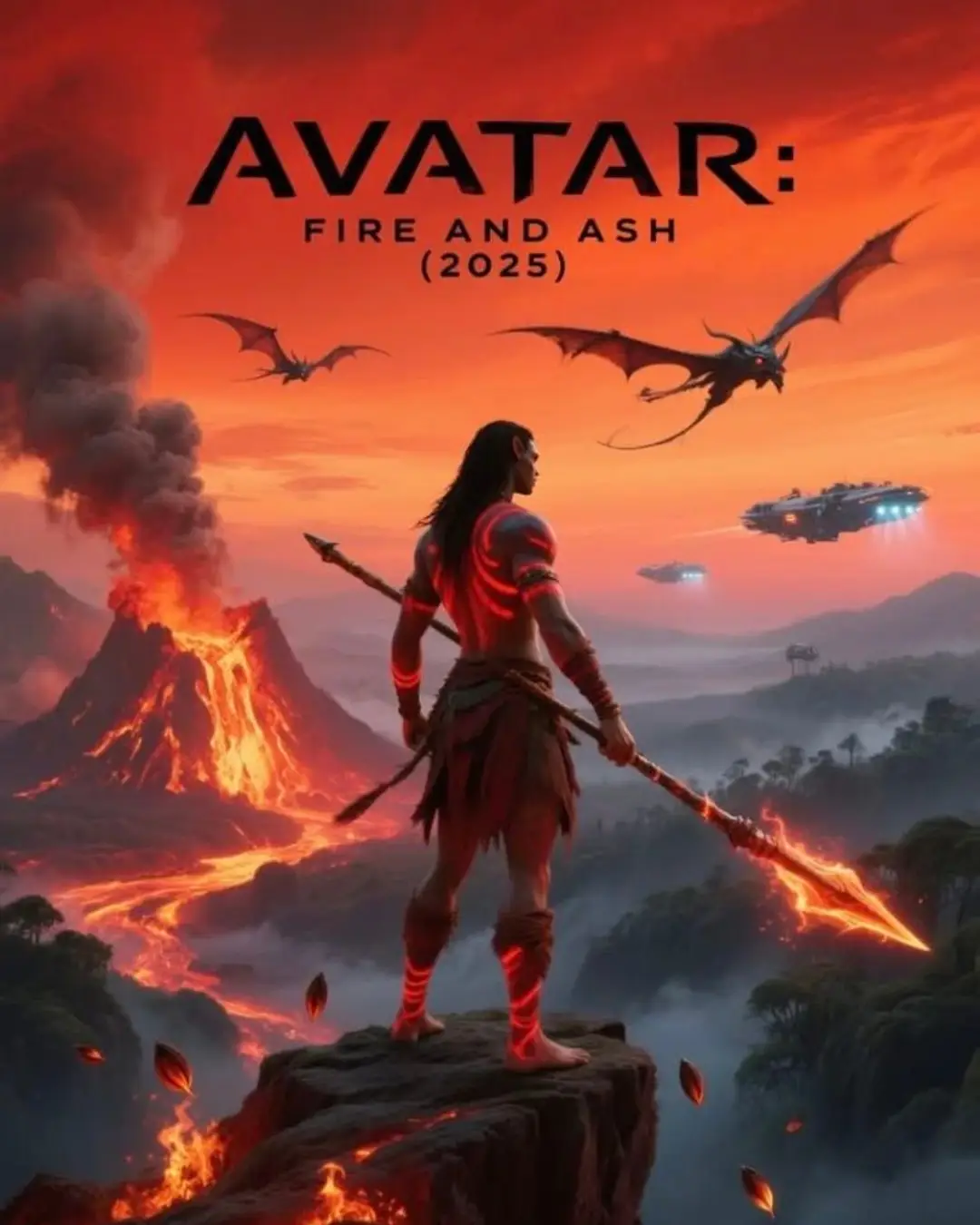
Avatar 3: Fire And Ash Just Broke Animation Forever (Here's How To Master It!)
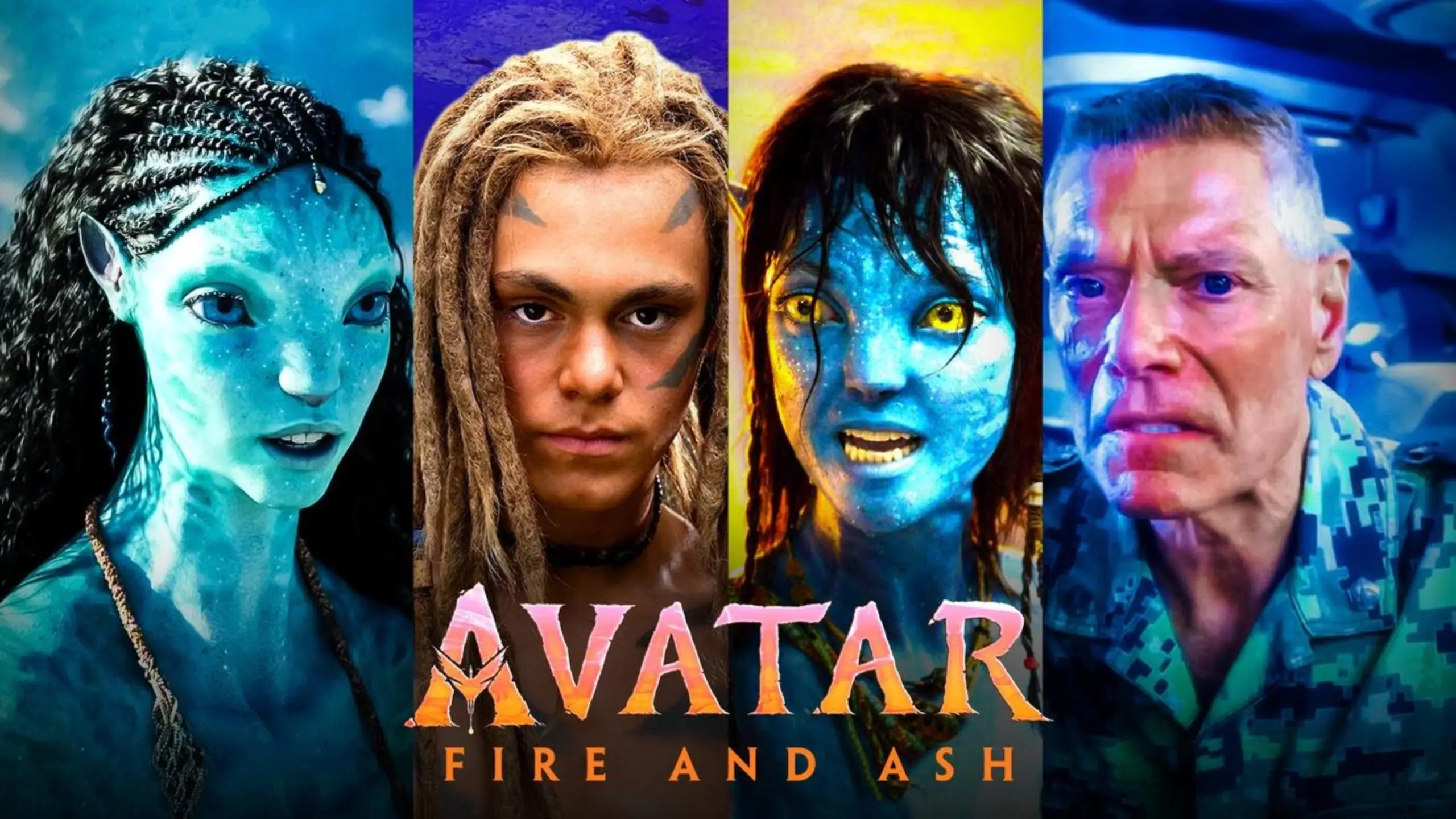
Avatar 3 is coming on December 19, 2025! If you love mind-bending visuals and want to know how filmmakers create movie magic, youre in the right place. Let's break down what makes Avatar: Fire and Ash so special—in simple, easy-to-understand language.
What's Avatar: Fire and Ash About?
Think of it as a continuation of Jake Sully and Neytiri's adventure on the alien planet Pandora. This time, there's a new threat—the Ash People, who live in a fiery, volcanic region of Pandora. The movie promises intense action, emotional family drama, and stunning visuals that's ll blow your mind on the big screen.
Release Date: December 19, 2025
Runtime: Over 3 hours of non-stop excitement
The story follows Jake and Neytiri's family as they face new enemies and explore territories never seen before. With flying sequences, underwater moments, and fire-filled battles, this film is a visual feast that took years to perfect.
The Animation Magic Behind Avatar 3
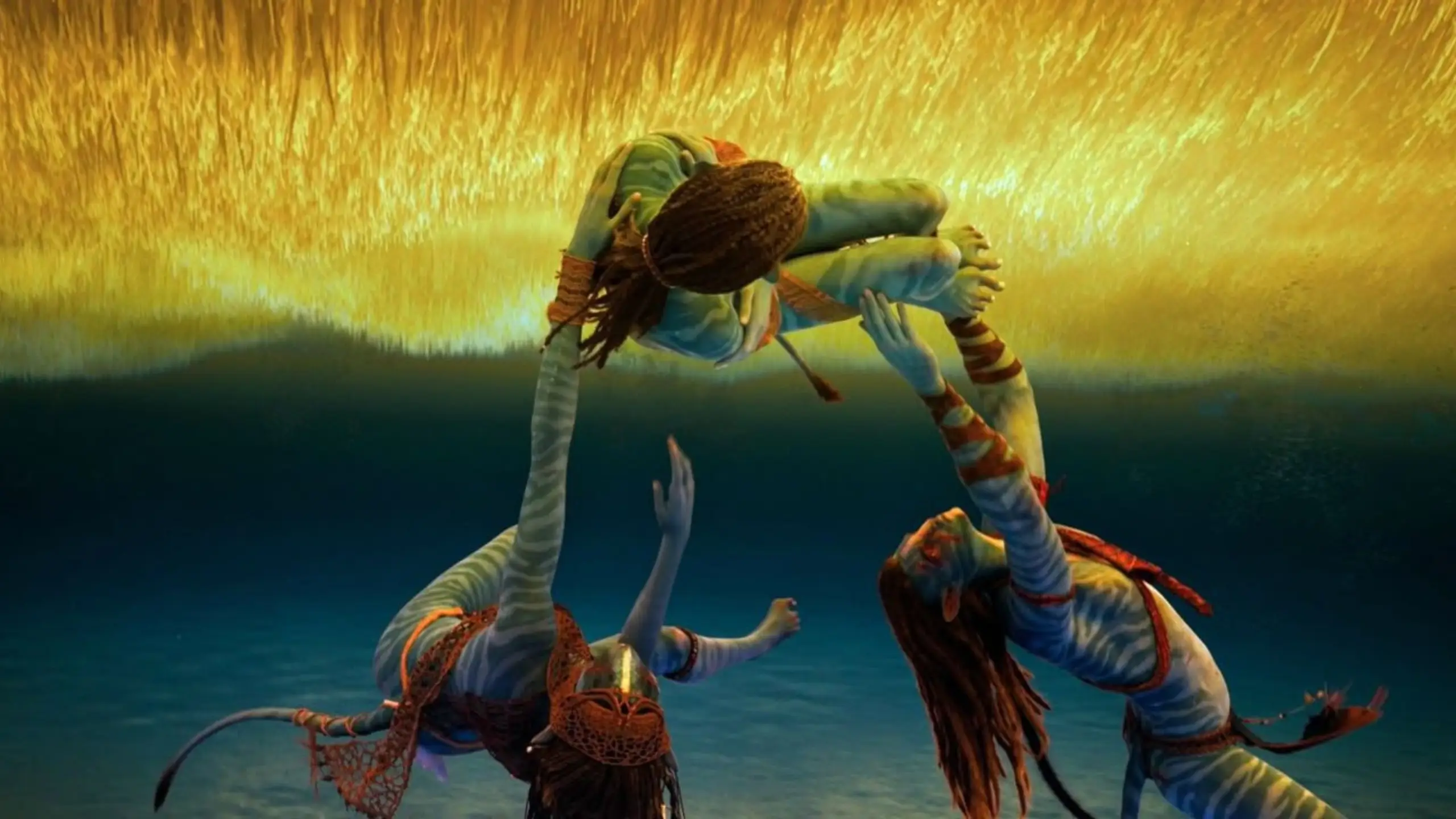
Motion Capture (Mocap) - Real Actors = Digital Characters
Imagine this: Real actors wear special suits with sensors while performing scenes. These sensors track every movement—from their walk to tiny facial expressions. Then, animators use this data to bring digital Na'vi characters to life.
Why it matters: When Neytiri cries or fights, you see real emotions because an actual actress performed it! This technology makes characters feel authentic and human-like, even though they're aliens.
The motion capture team places markers on actors bodies and faces. Cameras capture thousands of data points per second. This creates a digital skeleton that animators refine and polish until it looks perfect on screen.
Fire and Ash Effects - Making Explosions Look Real
The Ash People live in a fiery world. To create realistic flames, ash clouds, and volcano scenes, animators use special software (like Houdini) that simulates how fire actually behaves—how it spreads, how embers float, and how smoke rises.
The cool part: Instead of filming real fire (dangerous!), they create it digitally. Safe, controlled, and looks amazing. Animators can test different scenarios without any risk. They adjust colors, intensity, and movement until it feels absolutely realistic.
This fire simulation also connects to character movements. When a Na'vi runs through flames, the fire reacts naturally—it gets pushed by their body, embers fly around them, and smoke swirls realistically. That's what separates Avatar from other movies!
Flying Creatures and Wind Traders
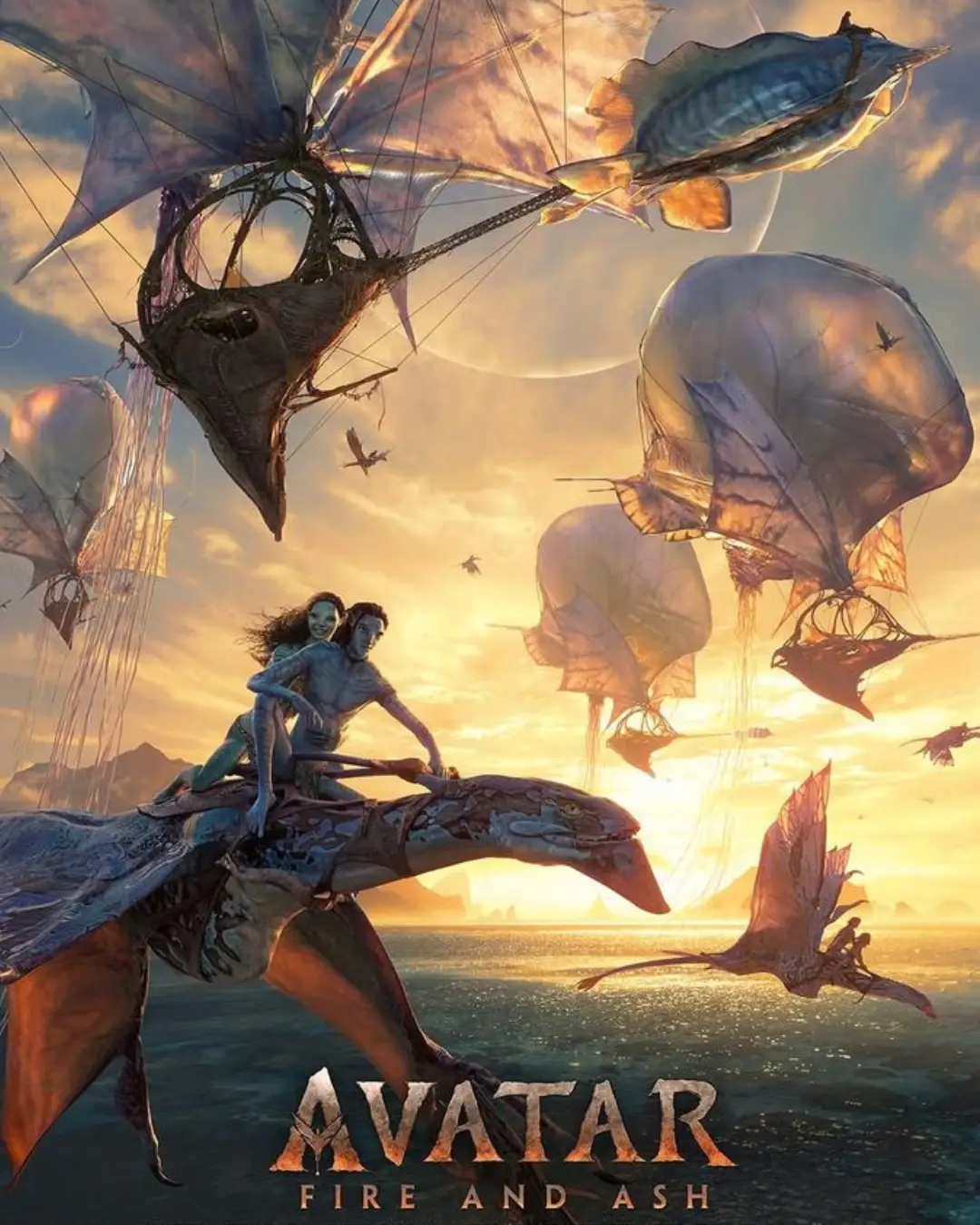
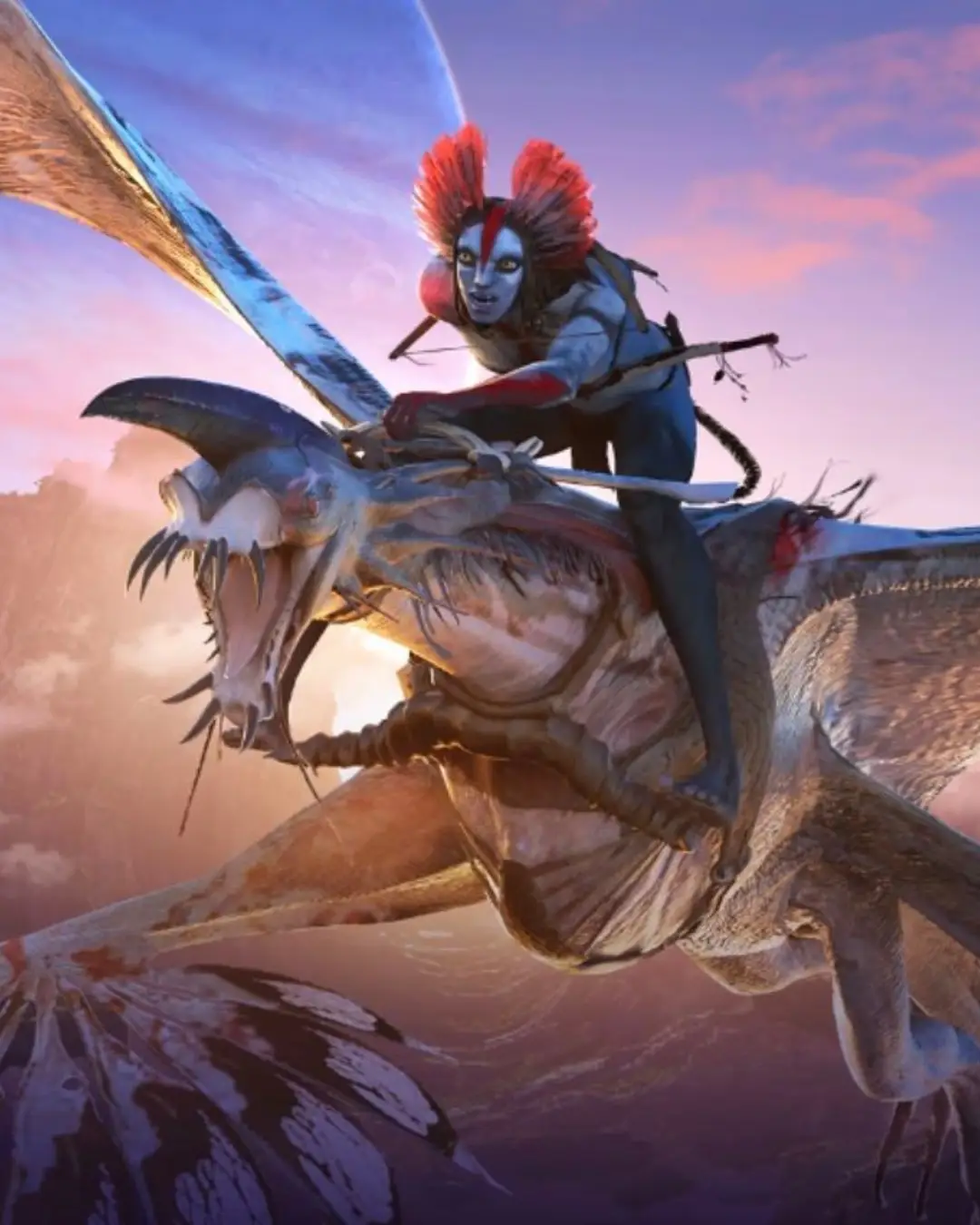
New characters in Avatar 3 include Wind Traders beings that fly through Pandora's skies. Animators had to create realistic:
- Feather movements that respond to wind
- Wing physics that make flight believable
- How creatures balance in the air
- Hair and clothing flowing realistically during flight
Think of it like making a living, breathing bird but as an alien! Every feather must move independently. Clothing and hair must flow naturally. Wings must create realistic wind effects around them. This requires thousands of hours of technical work.
Character Rigging and Creature Design
Before characters can move, they need a digital skeleton called a "rig" Imagine building a puppet with invisible strings—animators control these strings to make characters pose, walk, run, and fight.
Avatar 3 introduces new clans with different body shapes and sizes. Each one needs a custom rig. The Toruk (flying creature) returns bigger and more detailed than ever. Every creature must feel alive, with realistic muscle movements and skin deformation.
Why Avatar 3 Sets the Animation Standard
| What Makes It Special | Real-World Impact |
| Mocap & Facial Animation | Emotional characters in games and films feel genuine |
| Fire Simulation | VFX artists can safely create disaster scenes |
| Creature Design | New possibilities for fantasy and sci-fi stories |
| 3+ Hour Runtime | Proves long, complex CG films are possible |
This film's 20th Century Studios production is tracking for massive box office success, proving animation's commercial power in 2025.
The Tools Behind the Magic
Avatar 3 uses industry-standard software that you can learn:
- Autodesk Maya - Character modeling and animation
- Houdini - Fire, smoke, and particle effects
- Unreal Engine - Real-time visualization and physics
- Nuke - Final compositing and visual effects
These same tools power Marvel movies, Disney films, and video games. Learning them opens doors to incredible careers.