Broadcast in Kukatpally
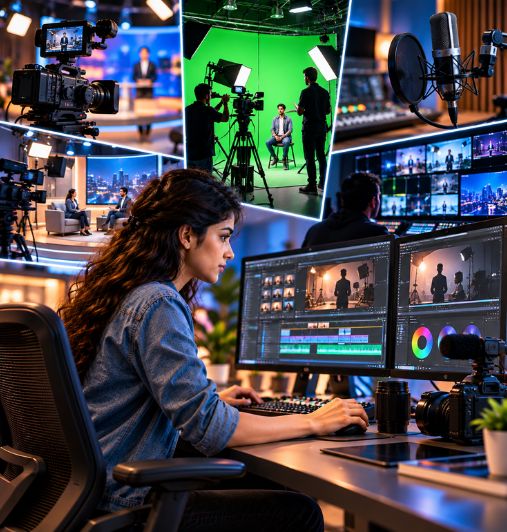
Explore Broadcast Courses at Arena Animation Kukatpally, Hyderabad, and learn about the creative and technical processes involved in producing video content for television, digital broadcasting, online media and other screen-based platforms. Broadcast production combines visual storytelling, camera techniques, video editing, audio production, graphics and post-production to create engaging media content.
These courses are suitable for students and aspiring media professionals interested in video production, television content, studio workflows, editing and digital broadcasting. Develop creative and technical skills to understand how video content is planned, produced, edited and prepared for distribution across different media platforms.
Course enquiry form
excellence
Creative Education with Real-World Skills
Broadcast graphics help communicate information and ideas through television, film and digital media. Animated titles, motion graphics, visual elements and 3D compositions can make a presentation more engaging and help establish a consistent visual identity.
If you are looking for a Broadcast Course in Kukatpally, Arena Animation Kukatpally, Hyderabad, offers a Broadcast Design program focused on visual design, motion graphics and 3D motion design.The program has a published duration of 408 hours and is organised into two terms: Design and Visualization, followed by Advanced 3D Motion Design. Its curriculum includes subjects such as typography-related visual design foundations, digital illustration, storyboarding, cinematic editing, 2D animation, motion graphics, 3ds Max and Cinema 4D for broadcast design.
Broadcast design is different from journalism or television operations. It focuses on the graphics and visual elements that support media content, rather than news reporting, presenting, camera operation or broadcast engineering. Depending on the projects completed during training, students can explore how animated visuals, graphic compositions and 3D elements contribute to media presentations.
At Arena Animation Kukatpally, students interested in broadcast graphics training in Hyderabad can review the curriculum, software coverage, course duration and portfolio expectations before deciding whether this program matches their creative goals.
Why Choose a Broadcast Course?
Broadcast design combines visual communication with animation and motion-based storytelling. Television programs, news presentations, entertainment content and digital media can use graphics to introduce segments, highlight information and maintain a consistent visual style. Learning the design skills behind these elements can help students explore creative opportunities in media production.
Television and Broadcast Graphics
Broadcast graphics can include titles, visual identifiers, information panels and other graphic elements used within a media presentation. These elements need to be clear, visually consistent and suitable for their intended context.
Motion Graphics and Animated Titles
Motion graphics bring text, shapes, illustrations and other visual elements to life through movement. Animated titles and graphic sequences can help introduce a program, communicate a theme or make a visual presentation more dynamic.
Visual Storytelling and Information Design
Visual storytelling involves arranging images, text, colour and movement to communicate an idea. Information graphics use these elements to make information easier to understand. Good visual communication considers hierarchy, readability, composition and the needs of the audience.
2D and 3D Visual Design
Broadcast-oriented design can involve both two-dimensional graphics and three-dimensional elements. The Arena Animation curriculum includes 2D animation and advanced 3D motion design using 3ds Max and Cinema 4D. These skills can help learners explore different visual styles and production techniques.
Practical Projects and Portfolio Development
Creative projects allow learners to apply design principles and demonstrate what they can create. A portfolio or showreel can bring together selected graphics, motion sequences and 3D work, helping prospective employers evaluate a learner's visual and technical abilities.
Career Direction
A Broadcast Design Course in Hyderabad may suit students who enjoy visual communication, animation and digital content creation. However, students seeking journalism, news anchoring, live broadcasting operations or broadcast engineering should look for programs that specifically teach those disciplines.
Course Structure
Arena Animation Kukatpally lists its Broadcast Design program with a duration of 408 hours. The published curriculum is divided into two terms, progressing from design and visualization fundamentals to advanced 3D motion design.
Module 1
Fundamentals of Broadcast and Media Production
- Understand the basic principles of broadcast media and the production process.
- Introduction to broadcast and digital media
- Fundamentals of television and video production
- Understanding production roles and workflows
- Visual storytelling and scripting
- Storyboarding and shot planning
- Production planning and coordination
- Introduction to studio and field production
Module 2
Camera Techniques and Cinematography
- Learn the fundamentals of capturing video footage for broadcast and digital media.
- Camera basics and operation
- Shot types and camera angles
- Framing and composition
- Camera movement
- Exposure, focus and white balance
- Lighting fundamentals
- Interview and event recording techniques
Module 3
Audio Recording and Sound Production
- Explore the role of sound in video production and broadcasting.
- Fundamentals of audio recording
- Microphone types and applications
- Dialogue and voice recording
- Audio levels and sound monitoring
- Background music and sound effects
- Noise reduction fundamentals
- Audio synchronisation with video
Module 4
Video Editing and Post-Production
- Understand how raw footage is transformed into a finished video.
- Video editing fundamentals
- Organising and reviewing footage
- Timeline-based editing
- Transitions and visual continuity
- Titles and lower-third graphics
- Colour correction fundamentals
- Audio and video synchronisation
- Exporting videos for different platforms
Module 5
Broadcast Graphics and Visual Presentation
- Learn how graphics and visual elements support information delivery in broadcast media.
- Broadcast graphic design fundamentals
- Typography and screen composition
- News titles and lower thirds
- Name straps and information graphics
- Animated titles and transitions
- Visual branding for programs
- Basic motion graphics
What Will You Learn?
The learning outcomes depend on the exercises and projects included in the program. Based on the published curriculum, students can explore the following skills.
Broadcast Graphics Design
Students are introduced to broadcast design concepts and the broadcast production pipeline. This can help them understand how graphic elements are planned and prepared for use in media presentations. The exact types of broadcast packages or graphics projects should be confirmed with the institute.
Motion Graphics and Animated Titles
The curriculum includes motion graphics and 2D animation. These subjects can help learners develop visual elements that move over time, combine typography with graphics and communicate ideas through animated sequences.
Typography and Visual Communication
Typography, colour, composition and visual hierarchy help make graphics readable and visually consistent. The program's design and visualization subjects provide a foundation for understanding how visual elements work together to communicate a message.
News and Information Graphics
Information graphics can organise figures, labels and other details into a visual presentation. Learners can ask whether their practical assignments include news-style graphics, lower-thirds or other information layouts, since these specific deliverables are not individually confirmed in the published module list.
2D and 3D Visual Elements
The course includes 2D animation and 3D motion design. Students can explore how flat graphics differ from three-dimensional elements and how movement, perspective, lighting and rendering affect a finished visual composition.
Compositing and Visual Effects
Compositing combines visual elements into a final image or sequence. The current published Broadcast Design syllabus lists cinematic editing and advanced 3D motion design, but does not clearly identify a dedicated compositing module. Ask the institute whether compositing and specific visual effects workflows are included before treating them as core course outcomes.
Broadcast Package and Portfolio Presentation
A consistent visual package can use related typography, colours, graphic elements and animation styles. Students should ask whether their final projects include a complete broadcast graphics package or a selection of individual motion design projects. A well-organised portfolio should explain the objective, creative approach, tools used and final output of each project.
Channel Branding and Identity Design
Learn how broadcast graphics build a consistent on-screen identity for a channel or program. This may include logo animation, colour systems, graphic templates, idents and branded elements that create recognition and visual consistency across different shows and platforms.
Industry-Standard Software & Tools
The official Broadcast Design page lists the following software and tools: Adobe Illustrator CC, Adobe Photoshop CC, Storyboarder, Adobe Premiere Pro CC, Adobe Audition CC, Adobe Animate CC, Adobe After Effects CC, Autodesk 3ds Max, Cinema 4D and generative AI tools.
The depth of training and the software used in each module can vary. Students should request the current syllabus if they need to confirm which applications are taught in detail. Do not assume that every software application is covered equally or that unlisted tools such as specialised live-broadcast graphics systems are part of the program.
Adobe After Effects
After Effects is a motion graphics and visual effects application. It is relevant to animated titles, graphic sequences and compositing-based visual work. The exact exercises covered in this course should be confirmed with the institute.
Adobe Photoshop and Illustrator
Photoshop supports image editing and visual asset preparation, while Illustrator is used for vector graphics and illustration. These applications can support the creation of graphic elements that may later be incorporated into motion-based projects.
Adobe Premiere Pro and Audition
Premiere Pro is used for video editing, while Audition supports audio editing. The published software list includes both tools. Ask how they are incorporated into the Broadcast Design curriculum and whether students complete specific editing assignments.
Adobe Animate
Adobe Animate supports the creation of animated visual content. It appears in the official software list, alongside the course's 2D animation subject.
Autodesk 3ds Max
3ds Max is included in the advanced 3D motion design term for modelling, texturing, lighting, animation and rendering. These skills can help learners create and present three-dimensional graphic elements.
Cinema 4D
The published syllabus specifically includes broadcast design with Cinema 4D. This tool is relevant to 3D motion design and the creation of animated visual compositions.
Storyboarder appears in the published software list and relates to visual planning and storyboarding workflows. Generative AI tools are also listed, but the specific applications and exercises should be confirmed with the institute.
Career Opportunities
A Broadcast Design course can support preparation for creative roles involving graphics, animation and visual communication. Suitable opportunities depend on the skills developed, the quality of the portfolio, software proficiency and employer requirements.
Broadcast Designer
A broadcast designer develops visual elements used in media presentations. Work may involve creating graphics that follow a consistent visual identity and support the communication needs of a program.
Broadcast Graphics Artist
A broadcast graphics artist creates visual assets for television or digital media. Depending on the role, responsibilities may include preparing titles, graphic compositions and other broadcast-oriented visuals.
Motion Graphics Artist
Motion graphics artists combine typography, shapes, images and animation to create moving visual content. Their work may be used in promotional videos, media presentations, digital campaigns or other motion-based formats.
Television Graphics Designer
Television graphics designers create visual elements that support television content. The specific work may involve titles, information layouts or other graphics, depending on the employer and production requirements.
2D or 3D Graphics Artist
A 2D graphics artist creates flat visual assets and compositions, while a 3D graphics artist works with three-dimensional objects, materials, lighting and rendering. The course's design, animation and 3D motion subjects can help learners explore these directions.
Compositing Artist
Compositing artists combine visual elements into a finished image or sequence. This role may require dedicated compositing skills beyond the subjects explicitly listed in the Broadcast Design curriculum, so students should confirm whether additional training is available.
These roles are potential career directions, not guaranteed outcomes. Employment depends on practical skills, experience, portfolio quality and employer requirements. The course should not be presented as training in journalism, news anchoring, camera operation or broadcast engineering unless those subjects are specifically included.
Student Work & Showreel
A showreel allows students to present selected examples of their motion graphics and visual design work. For broadcast-oriented training, relevant examples may include animated title sequences, motion graphics compositions, 2D animations, 3D visual elements and broadcast-style graphic layouts where these projects are part of the actual coursework.
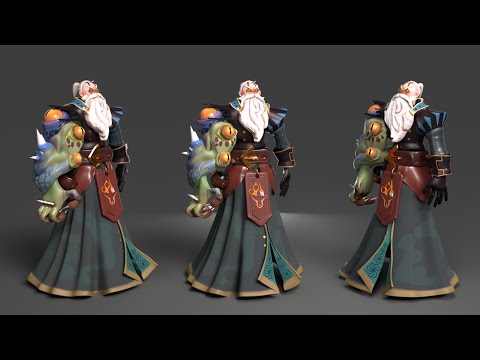
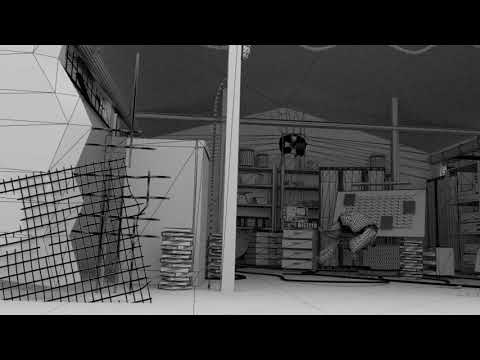
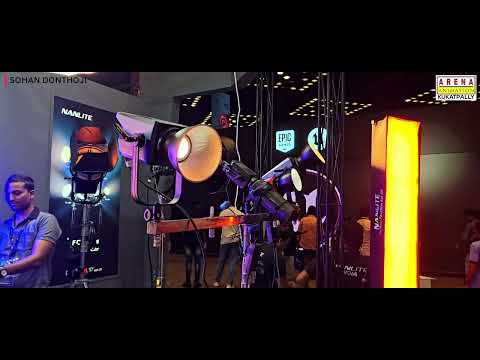
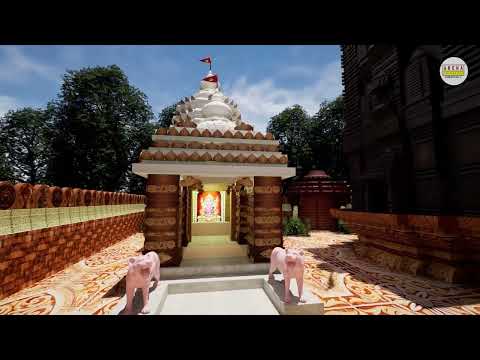
A strong showreel should demonstrate more than visual effects. It should show clarity of communication, typography, timing, composition, visual consistency and technical execution. Short, well-selected examples are generally more useful than a long collection of unrelated work. For each project, include a short description of the objective, the student's contribution, the software used and the final result. If a project uses 3D elements, it may be useful to show a brief breakdown of modelling, materials, lighting or animation, where appropriate. Only display genuine student work with permission. Do not invent client projects, published broadcasts, awards or achievements. If the institute has an official student gallery or showreel, link to it once the relevant examples have been verified.
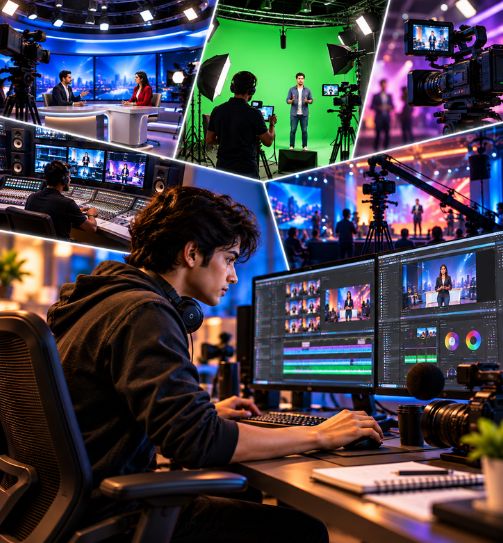
Learn. Practice. Build Your Portfolio. Get Career Ready.
Learning broadcast design involves applying visual principles to practical projects. Students need to understand how typography, colour, composition, animation and 3D elements contribute to a finished visual presentation. Repeated practice can help them refine their creative decisions and become more consistent in their work.
A focused portfolio can include different types of graphics and motion design projects that reflect the learner's strengths. For example, a portfolio may combine animated titles, graphic compositions, 2D animation and 3D motion work if those subjects are covered in the course. Each project should explain the creative brief, the approach taken and the tools used.
- 01Recruitment PartnersStudios, production houses & agencies
- 02Internship OpportunitiesReal project exposure
- 03Portfolio & Showreel SupportBuild and present your work
- 04Career GuidancePathways in the creative industry
Eligibility & Admission
Eligibility requirements should be confirmed for the specific Broadcast Design program. Arena Animation's general website FAQ states that students can join courses after Class 10, but this general guidance should not be treated as a substitute for program-specific admission criteria.
The published Broadcast Design program duration is 408 hours. Before applying, ask the Kukatpally centre about the current course schedule, fees, payment options, educational requirements, documents required for admission and whether prior experience with design software is expected.
It is also useful to confirm which software is covered, what practical projects are completed and whether the program is suitable for your current skill level. Students looking for a complete broadcast production or journalism qualification should check the syllabus carefully, because this program is focused on broadcast design and motion graphics.
Interested in a Broadcast Course in Kukatpally, Hyderabad? Contact Arena Animation Kukatpally to enquire about the current curriculum, eligibility, course schedule, fees and admission process.
Check Your EligibilityFlexible Learning & Career Pathways
Broadcast design can lead toward different creative specializations depending on the skills a learner develops. Students interested in animated typography and graphic sequences may explore motion graphics. Those who enjoy 3D visual production can focus on modelling, texturing, lighting, animation and rendering. Learners interested in graphic communication can develop their design fundamentals and create visual assets for media presentations.
The Broadcast Design program includes both foundational design and visualization subjects and advanced 3D motion design. This provides a progression from visual communication and animation fundamentals to broadcast concepts and 3D production workflows.
Arena Animation also lists separate courses in animation, VFX, digital design and multimedia. These may be relevant to students who want to explore related creative skills, but each program has its own curriculum and should be compared separately. A dedicated short-term After Effects course is also listed on the short-term courses page; confirm its current details if you are seeking focused software training rather than the full Broadcast Design program.
Choose a learning pathway by comparing its subjects, duration, practical outcomes and portfolio expectations. If your goal is to work in journalism, live broadcasting operations or broadcast engineering, seek a course that specifically covers those professional areas rather than assuming they are part of broadcast graphics training.
Why Study Broadcast Design in Kukatpally, Hyderabad?
Hyderabad is a growing hub for film, television, digital content, gaming and creative technology, offering studio opportunities, internships and a vibrant creative community.
Frequently Asked Questions
What is a broadcast course?
A broadcast design course focuses on graphics and visual content used in television and digital media. Depending on the curriculum, it may cover motion graphics, animation, 3D design, broadcast concepts and visual presentation.
What is taught in a broadcast graphics course?
Arena Animation's Broadcast Design curriculum includes design and visualization, digital illustration, storyboarding, cinematic editing, 2D animation, motion graphics, the broadcast pipeline, 3ds Max and Cinema 4D for broadcast design. The program is structured across two terms.
What is the duration of the Broadcast Course?
The published duration of Arena Animation Kukatpally's Broadcast Design program is 408 hours. Contact the institute to confirm the current schedule and delivery details.
What are the eligibility criteria for admission?
Eligibility should be confirmed with the institute for the specific program. Arena Animation's general website FAQ states that students can join courses after Class 10, but ask the Kukatpally centre to confirm the current Broadcast Design admission requirements.
Which software is taught in broadcast design training?
The published software list includes Adobe After Effects, Photoshop, Illustrator, Premiere Pro, Audition, Animate, Autodesk 3ds Max, Cinema 4D, Storyboarder and generative AI tools. Confirm the current software allocation and module details before admission.
What career opportunities are available after a broadcast course?
Depending on the skills developed, potential roles include broadcast designer, broadcast graphics artist, motion graphics artist, television graphics designer, 2D or 3D graphics artist and video graphics artist. Career opportunities depend on portfolio quality, practical skills and employer requirements.
Is a broadcast graphics course suitable for beginners?
Students should confirm the entry requirements and expected prior knowledge with the institute. The published program begins with design and visualization subjects before progressing to advanced 3D motion design.
Where can I enquire about a Broadcast Course in Kukatpally, Hyderabad?
You can contact Arena Animation Kukatpally through its official website enquiry form or published contact details. Ask about the 408-hour program, eligibility, fees, software, curriculum and admission process.

Ready to Start Your Broadcast Design Journey?
Join Arena Animation Kukatpally and turn your passion for motion graphics and broadcast design into a creative career.
Or call +91 99511 13007