Gaming Courses in Kukatpally
Looking for Gaming Courses in Kukatpally, Hyderabad? Game design and development combine creativity, technology, visual storytelling and problem-solving to create interactive digital experiences.
From designing characters and environments to building gameplay systems and developing playable demos, the gaming field offers different specializations for students interested in digital art, interactive design and game creation.
Course enquiry form
excellence
Creative Education with Real-World Skills
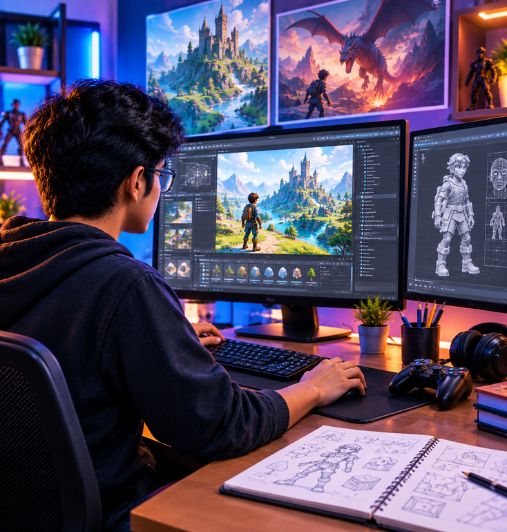
Game creation brings together artistic design and technical implementation. A game needs more than attractive graphics: its characters, environments, interactions, rules and feedback must work together to create a coherent player experience.
Game art focuses on the visual elements of a game, such as characters, props, environments, textures and animations. Game design focuses on gameplay, rules, level structure, player interactions and the overall experience. Game development involves implementing game systems, interactions and functionality using a game engine, visual scripting or programming, depending on the workflow.
At Arena Animation Kukatpally, Hyderabad, students can explore these areas through programs in game art, design, development and immersive design. The published curricula include digital illustration, game art production, 3D asset creation, texturing, rigging, animation, Unreal Engine, game logic and AR/VR experiences, depending on the selected program.
The aim is to help students understand how creative assets and interactive systems contribute to a playable experience. Practical projects can also help learners connect individual skills with a larger production workflow.
Before choosing a gaming course, identify whether you are most interested in creating visual assets, designing gameplay, building interactive experiences or working across several stages of game production.
Why Choose a Gaming Course?
A structured gaming course can help students develop relevant creative and technical skills through a progressive learning process. It can also provide opportunities to apply concepts to projects instead of learning software features in isolation.
Creative Problem-Solving
Game design requires students to think about player objectives, rules, challenges, feedback and the overall experience. Game art requires visual observation, design thinking and an understanding of form, colour and composition.
Practical Project Development
Creating assets, planning levels or building a playable prototype helps students understand how individual elements contribute to a complete game.
Game Production Workflows
Understanding asset creation, texturing, lighting, animation and game-engine integration can help students see how digital content moves through a production pipeline.
Software Skills
Learning relevant tools can help students create 2D and 3D assets, build environments, set up gameplay logic and present interactive projects.
Portfolio Development
Game projects and playable demos can demonstrate practical skills to potential employers, collaborators or clients. The strongest portfolio is tailored to the type of role the student wants to pursue.
Specialization Pathways
Game art involves creating visual assets. Game design involves planning the player's experience. Game development involves implementing the systems that make a game function. These areas overlap, but they are not identical.
Course Structure
Arena Animation Kukatpally lists several gaming and immersive design programs. Their curricula progress from creative fundamentals towards specialized art, game development or immersive technology skills.
Term 1
Game Design and Art Essentials
- The first term introduces students to game design, visual development and the fundamentals of creating game assets and interactive experiences.
- Fundamentals of Game Art and Design
- Digital Painting and Illustration
- UI/UX Design for Games
- Animation for Game Art
- Introduction to Game Engines
- 2D Game Development Project
- Creative Concepts for Game Design
- AI-Assisted Creative Workflows
Term 2
Advanced Game Art
- The second term focuses on creating detailed 3D assets, characters and environments for games.
- Understanding the Game Production Pipeline
- 3D Asset Creation for Games
- Digital Sculpting
- 3D Texturing and Detailing
- Realistic Materials and Surface Creation
- Lighting and Visual Presentation
- Character Rigging
- 3D Animation
- Real-Time Cinematic Creation Using Unreal Engine
- AI-Assisted 3D Workflows
- Portfolio Development
Term 3
Comprehensive Game Development
- The final term focuses on developing interactive game environments and implementing gameplay features using Unreal Engine.
- Introduction to Game Development Using Unreal Engine
- Designing Game Worlds with the Level Editor
- Creating Game Elements Using Actors
- Game Logic Using Blueprints
- Player Controls and Input Systems
- Collision Detection and Gameplay Interaction
- User Interface Design
- Audio Integration for Games
- Packaging and Exporting Game Demos
- Building a 3D Portfolio
- Game Development Projects
What Will You Learn?
The learning outcomes depend on the selected program. The following sections explain how the published subjects translate into practical skills.
Game Design Fundamentals
Understand how game concepts, rules, interactions and visual presentation contribute to the player experience. Design fundamentals can help you develop an idea into a structured concept that can be explored through a prototype.
Game Mechanics and Level Design
Game mechanics define how players interact with a game and how the game responds to their actions. Level design organizes spaces, challenges, objectives and progression to guide the player's experience.
2D and 3D Game Art
Learn how visual assets contribute to the look and feel of a game. Depending on the curriculum, this can involve digital illustration, 2D game concepts, 3D models, textures, materials and lighting.
Character Modelling and Animation
Understand how characters are developed for digital environments. Modelling establishes a character's shape, texturing adds surface detail, rigging supports movement and animation brings the character to life.
Game Engines and Interactive Environments
Game engines bring assets and systems together in an interactive environment. Students studying the relevant modules can explore level editing, adding game elements, configuring player controls and building interactions.
Prototyping and Gameplay Testing
A prototype helps demonstrate how a game concept works. Testing a prototype can reveal issues involving player controls, collision, interface clarity, level flow and interaction.
Game Asset Creation
Create and prepare digital assets for use in a game. Depending on the selected program, this can involve modelling, sculpting, textures, materials, lighting and other steps in the game production pipeline.
Portfolio and Project Development
Present your work in a format that communicates both visual quality and technical understanding. Depending on the course, a portfolio may include game art, character models, environments, interactive projects or playable demos.
Industry-Standard Software & Tools
Different tools support different stages of game creation. Some applications are designed for digital artwork, modelling and texturing, while game engines bring assets together and provide the environment for interaction.
Arena Animation's related gaming curriculum lists the following tools. Their inclusion varies by program, so students should check the software list for the specific course they intend to take. Ask the centre which tools are used in your selected program, which modules involve them and how they support the overall learning process.
Career Opportunities
Gaming courses can support progression towards different creative and technical roles. Career opportunities depend on the selected specialization, technical skills, portfolio quality, experience and employer requirements. Completing a course does not guarantee employment.
Game Designer
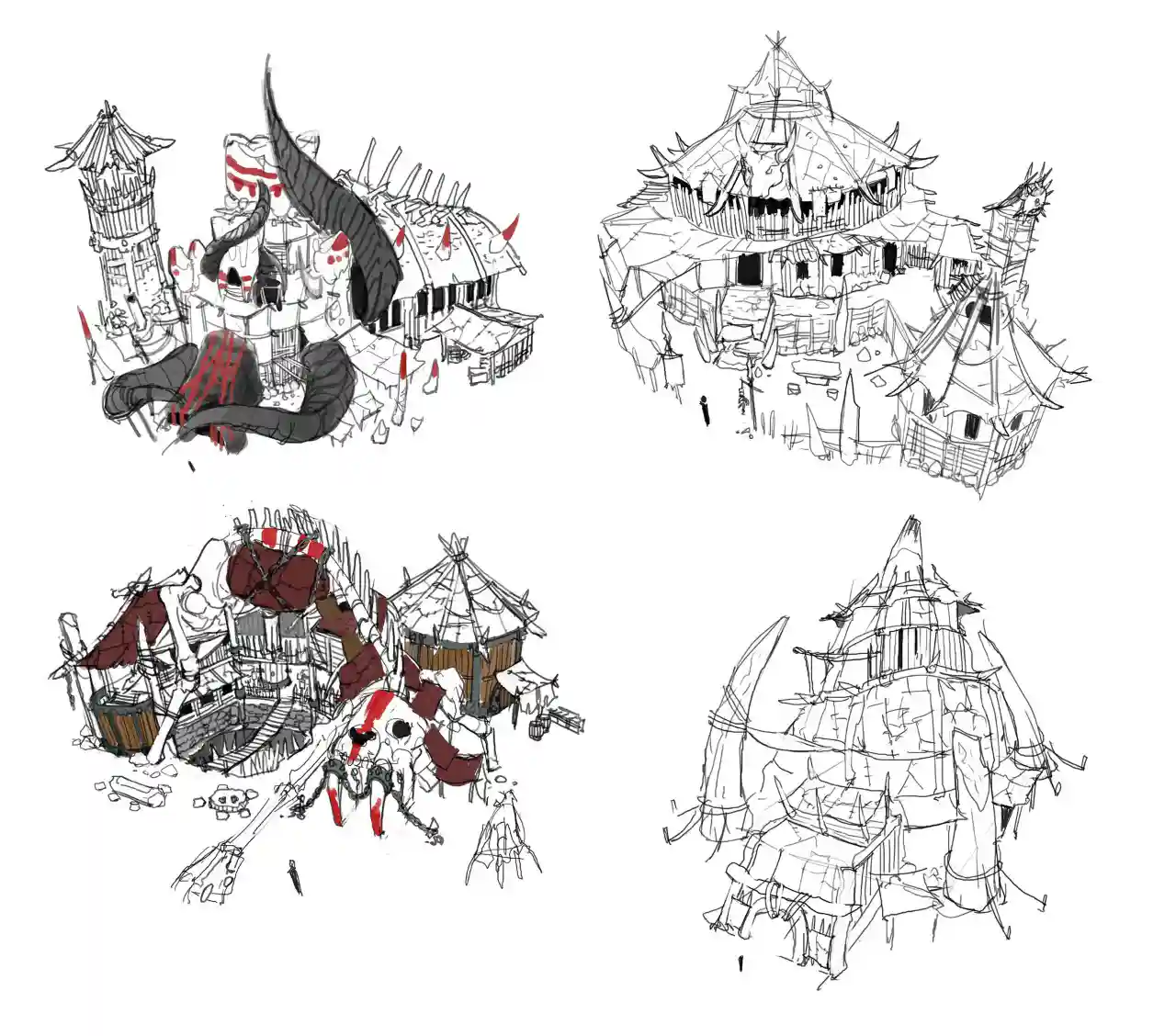
Develops gameplay concepts, rules, player objectives, mechanics and progression systems. The role requires creative thinking and an understanding of how players interact with a game.
Game Developer
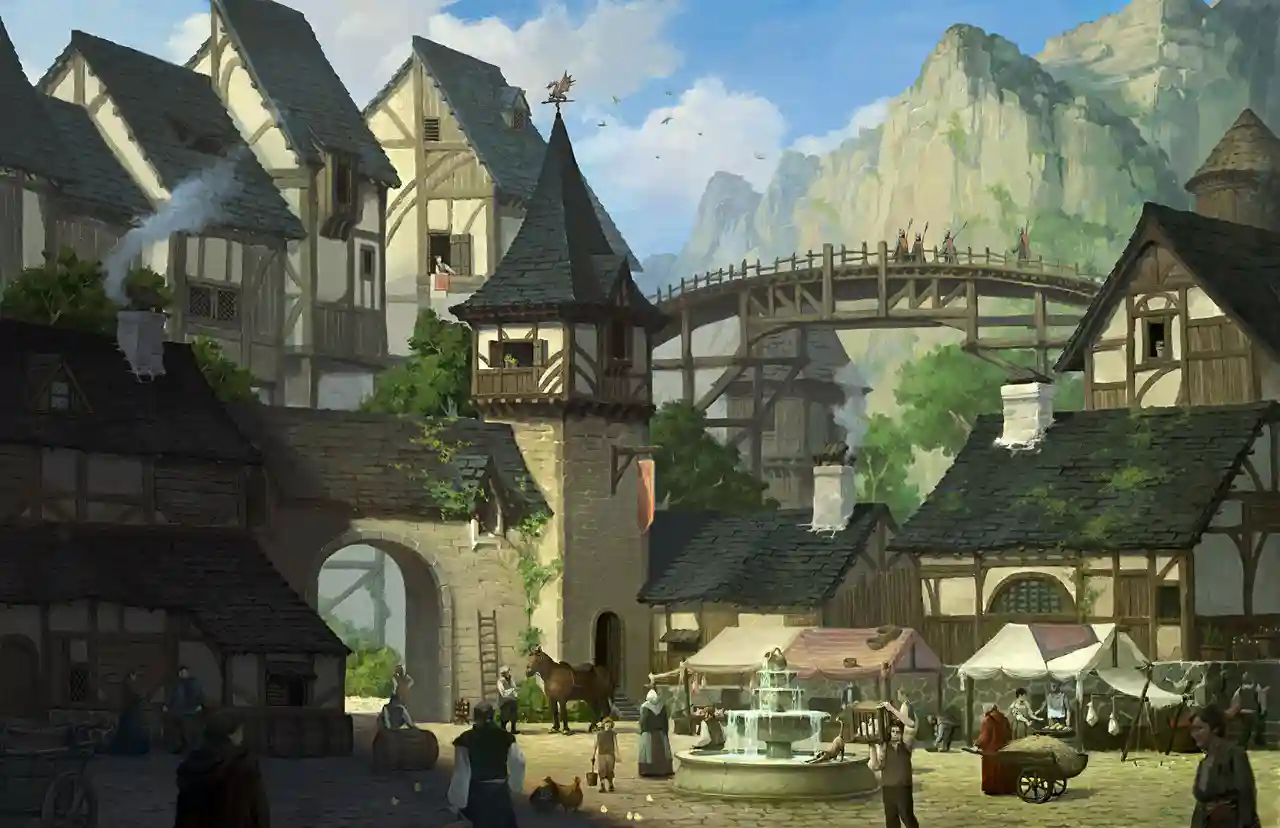
Implements game functionality using a game engine, visual scripting or programming, depending on the role. Relevant skills can include gameplay logic, controls, collision systems, interfaces and debugging.
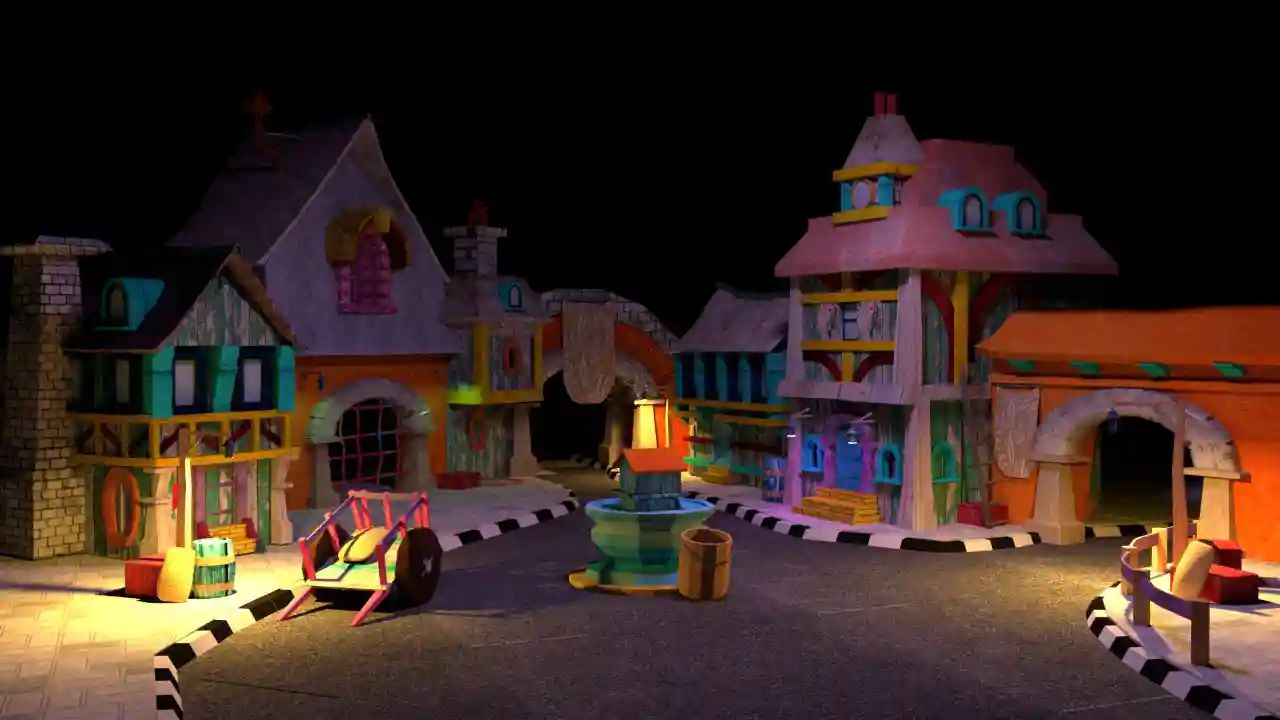
Game Artist
Creates visual assets used in games. The role may include concept artwork, props, characters, textures or other assets, depending on the specialization.
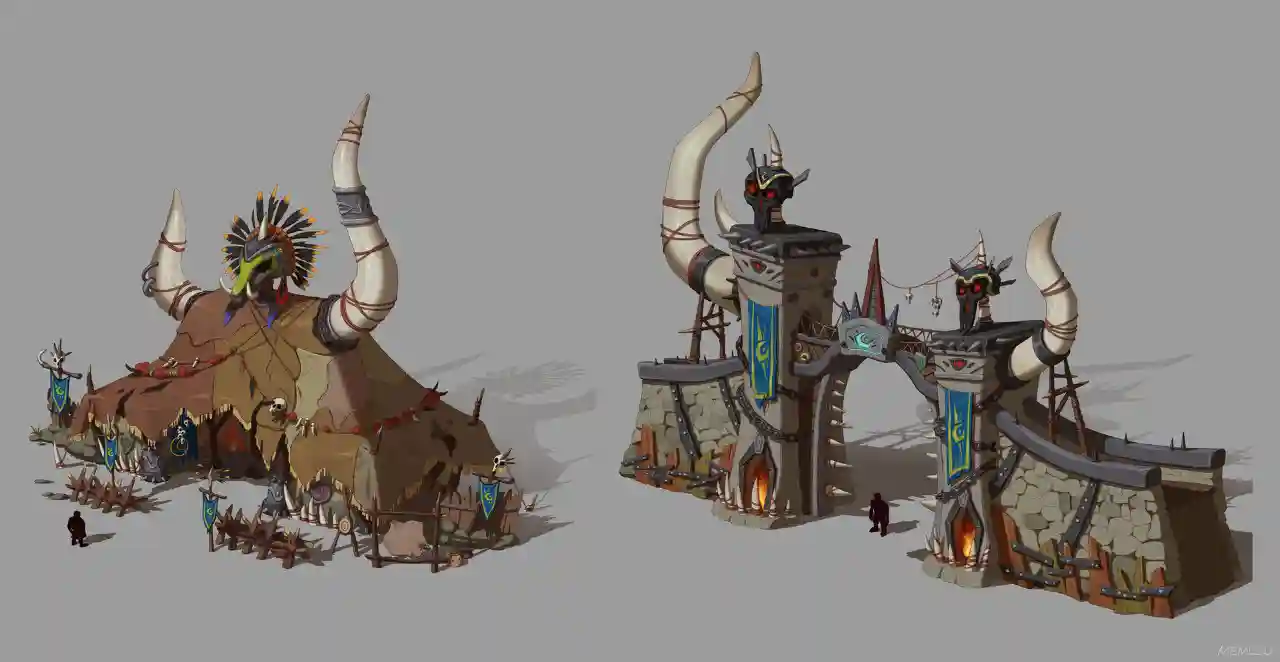
3D Game Artist
Creates three-dimensional assets for interactive environments. Modelling, texturing, materials, optimization and an understanding of game asset pipelines are useful skills.
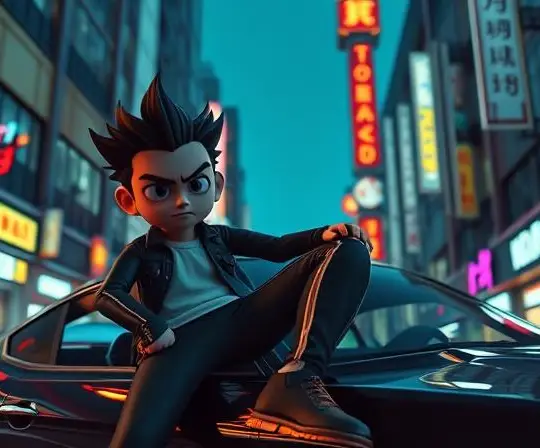
Environment Artist
Builds environments, scenery and props that establish the setting of a game. The work can involve modelling, materials, composition and preparing assets for real-time use.
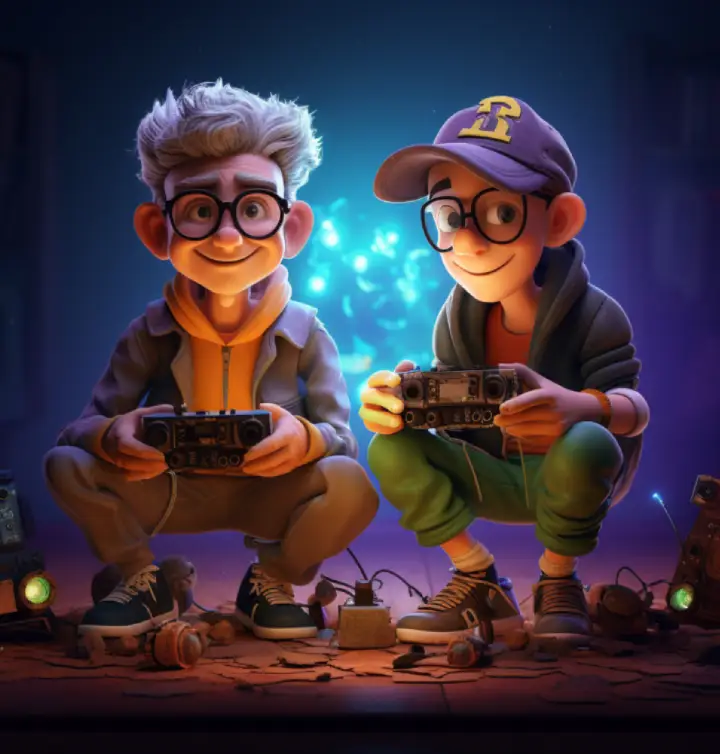
Character Artist
Creates the visual design and 3D models of characters. Digital sculpting, topology, texturing and an understanding of character proportions are relevant skills.
Student Work & Showreel
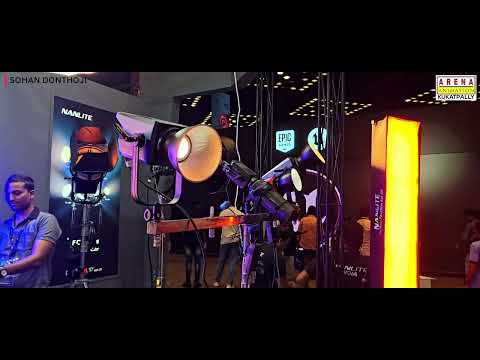
A gaming portfolio should demonstrate what a student can create and how well they understand the relevant production process. Depending on the chosen program, this may include concept artwork, 3D assets, character models, environments, level designs or playable prototypes.
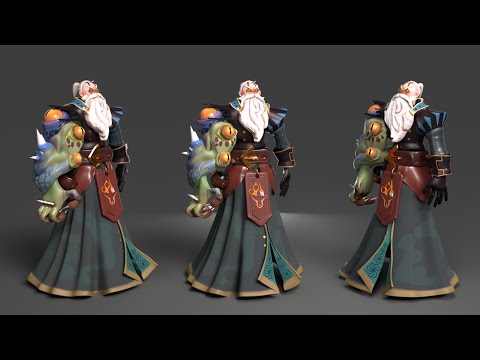
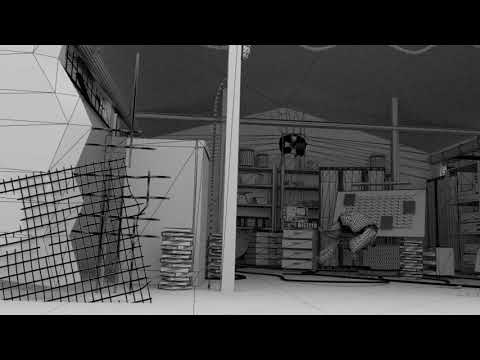
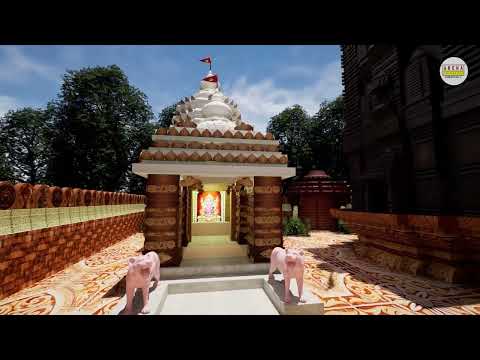

Where genuine student projects are available, showcase them with short descriptions explaining the project's purpose, the student's individual contribution, the software used and the main skills demonstrated. For a game art portfolio, include selected assets with clear images and, where appropriate, wireframes, textures or other breakdowns. For a game development portfolio, include a playable demo or recorded gameplay, explain the implemented features and identify the tools used. For collaborative projects, clearly state which parts the student completed. Do not present instructor demonstrations, stock assets or third-party games as original student achievements.
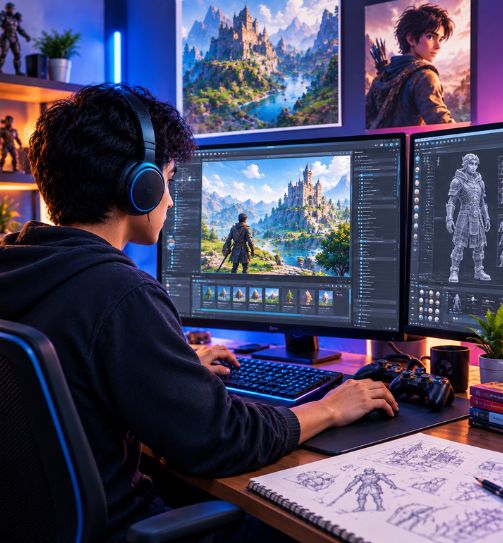
Learn. Practice. Build Your Portfolio. Get Career Ready.
Game design and development involve repeated testing, problem-solving and refinement. Practical assignments can help students progress from individual skills to complete projects that demonstrate how art and interactive systems work together.
A game art project may involve creating a character, developing textures and preparing the asset for a real-time environment. A development project may involve setting up player controls, configuring interactions, implementing collision behaviour and exporting a game demo.
- 01Recruitment PartnersStudios, production houses & agencies
- 02Internship OpportunitiesReal project exposure
- 03Portfolio & Showreel SupportBuild and present your work
- 04Career GuidancePathways in the creative industry
Eligibility & Admission
Choosing the right gaming course depends on your educational background, preferred specialization and career goals. Arena Animation Kukatpally lists programs covering game art, game design, game development and immersive design.
The institute's general website FAQ states that students can join its courses after Class 10. However, confirm the current eligibility requirements for each gaming program before applying, as the general statement does not establish every program's specific entry conditions.
Course Duration
The related Gaming & Interactive Design page publishes the following durations:
- Master Program in Game Art, Design & Development with ARVR-XR: 818 hours
- Advanced Program in Game Art and Design with Specialization: 574 hours
- Advanced Program in Game Art, Design and Development: 600 hours
- Advanced Program in Immersive Design: 548 hours
The duration of the separately listed Advanced Program in Game Art and Design should be confirmed with the centre.
Learning hours are not the same as calendar months. Ask about the current teaching schedule and expected completion period for the program you are considering.
Admission Process
Start by comparing the program names, curricula and learning outcomes. Consider whether you are more interested in game art, game design, development or immersive technology.
Before enrolment, confirm the educational qualification, current syllabus, software requirements, total learning hours, class schedule, fee structure and required documents with the admissions team. Do not assume that prior programming experience or a particular drawing skill is mandatory unless the centre confirms it.
Interested in gaming courses in Kukatpally, Hyderabad? Contact Arena Animation Kukatpally to compare available programs, clarify eligibility and choose a learning pathway that matches your interests.
Check Your EligibilityFlexible Gaming Learning Pathway
Students can explore gaming through different specializations, depending on their interests and the programs available.
Those who enjoy drawing, modelling and digital artwork may focus on game art. Students interested in gameplay rules, level structure and player experience may prefer game design. Learners who want to build functional game experiences can explore game development, game engines and visual scripting.
Students interested in interactive experiences beyond traditional games can investigate immersive design, including AR and VR. The Master Program in Game Art, Design & Development with ARVR-XR and the Advanced Program in Immersive Design include related subjects in their published curricula.
Arena Animation Kukatpally also lists separate options for game art and design and for game art, design and development. Compare the official curriculum, duration and project expectations before deciding which program is right for you.
Related programs in animation, VFX and multimedia may also help students explore adjacent creative fields. These are distinct learning pathways, so choose based on the subjects and practical skills you want to develop.
Why Study Gaming in Kukatpally, Hyderabad?
Hyderabad is a growing hub for film, television, digital content, gaming and creative technology, offering studio opportunities, internships and a vibrant creative community.
Frequently Asked Questions
What is a gaming course?
A gaming course teaches skills used to design, create or develop interactive games. Depending on the program, it may include game art, digital illustration, 3D modelling, level design, game engines, gameplay logic or immersive technologies.
What is the difference between game design and game development?
Game design focuses on gameplay concepts, mechanics, levels and the player experience. Game development focuses on implementing the functionality that makes the game work, using game engines, visual scripting or programming, depending on the role.
What is the duration of a gaming or game development course?
The published durations of Arena Animation's related programs include 818 hours for the Master Program in Game Art, Design & Development with ARVR-XR, 574 hours for the Advanced Program in Game Art and Design with Specialization, 600 hours for the Advanced Program in Game Art, Design and Development, and 548 hours for the Advanced Program in Immersive Design. Confirm that these details remain current before enrolment.
What are the eligibility criteria for gaming courses?
The institute's general website FAQ states that students can join courses after Class 10. Confirm the exact eligibility requirements for your chosen gaming program directly with Arena Animation Kukatpally.
Which software is taught in game development training?
The published gaming curriculum lists tools including Unreal Engine, Unity, Autodesk Maya, Blender, ZBrush, Photoshop, Substance Painter and Figma, depending on the program. Ask for the current syllabus to confirm which tools are taught in your selected course.
What career opportunities are available after a game development course?
Potential roles include game designer, game developer, game artist, 3D game artist, environment artist, character artist, level designer, technical artist, game animator and QA tester. Career opportunities depend on the student's specialization, skills, portfolio and employer requirements.
Is programming knowledge required to start learning game development?
Programming requirements depend on the course. The published development curriculum includes Unreal Engine Blueprints and game logic, which can introduce students to visual scripting. Confirm whether prior programming experience is required for your selected program.
Where can I enquire about gaming course admission in Kukatpally, Hyderabad?
Arena Animation Kukatpally is located at KSR Plaza, 2nd Floor, Plot Nos. 120–122, above HDFC Bank, KPHB, Kukatpally, Hyderabad – 500072. The website lists +91 99511 13007 and +91 99511 14007. You can also use the enquiry form on the gaming course page to request current program details.

Ready to Start Your Gaming Journey?
Join Arena Animation Kukatpally and turn your passion for games into a creative career.
Or call +91 99511 13007