



VFX Courses in Kukatpally
Looking for VFX Courses in Kukatpally, Hyderabad? Visual effects (VFX) combine creative design and technical production techniques to create, enhance or integrate visual elements into film scenes, advertisements, television content, OTT productions and digital media.
From replacing a green-screen background to integrating computer-generated environments into live-action footage, VFX helps filmmakers create visuals that would be difficult, expensive or impossible to capture in real life.
Course enquiry form
excellence
Creative Education with Real-World Skills
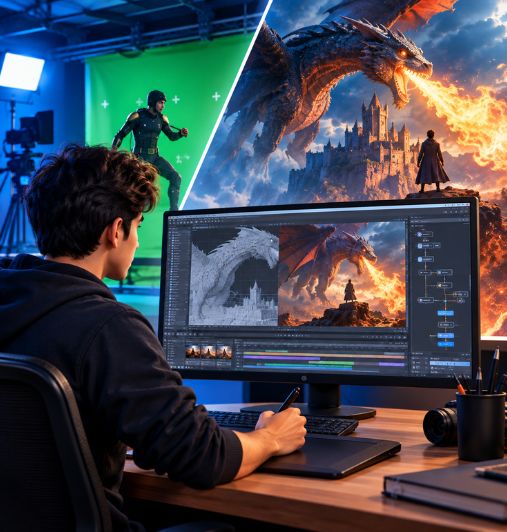
Visual effects play an important role in modern visual storytelling. They can be used to remove unwanted objects from footage, combine multiple shots, create digital environments, enhance practical effects, add simulated elements and integrate computer-generated imagery (CGI) with live-action scenes.
A VFX artist must understand more than software. Successful visual integration also requires attention to lighting, perspective, colour, edges, movement and the relationship between foreground and background elements. Even an impressive digital element can look unrealistic if it does not match the original footage.
At Arena Animation Kukatpally, Hyderabad, students can explore VFX through programs that cover relevant aspects of design, 3D production, effects creation and compositing. The published Advanced Program in Visual Effects curriculum progresses from design and visualization to advanced 3D design and FX and compositing.
This learning progression helps students understand how visual assets are prepared, how effects are created and how different elements can be combined into a finished shot. The exact subjects and depth of training depend on the selected program.
Why Choose a VFX Course?
A structured VFX course can help students understand the complete process of creating visual effects, from preparing source footage to producing a polished final composition. It also provides a way to practise technical workflows while developing visual judgment and creative problem-solving skills.
Practical Learning
Working with footage, digital elements, masks, tracking data and composites helps students understand how individual VFX techniques contribute to a finished shot.
Creative Problem-Solving
VFX artists often need to solve visual challenges such as removing unwanted objects, matching the lighting of separate elements or making digital assets appear naturally integrated into a scene.
Project-Based Practice
Assignments can help students develop skills progressively, beginning with simpler image manipulations and moving towards more complex effects, subject to the course syllabus.
Understanding Production Workflows
VFX production involves different stages, including preparation, tracking, compositing, review and final output. Understanding how these stages connect is valuable when working as part of a creative team.
Portfolio Development
Completed projects can demonstrate a student's ability to handle specific visual challenges. A well-organized portfolio or showreel can help applicants communicate their skills to potential employers or clients.
Specialization Pathways
VFX training can also provide a foundation for exploring specializations such as compositing, rotoscoping, matchmoving, 3D integration, lighting, rendering and procedural effects.
Course Structure
The Advanced Program in Visual Effects listed on the Arena Animation Kukatpally website has a published duration of 604 hours. Its curriculum is divided into three terms that build from visual design fundamentals to 3D production and advanced visual effects.
Term 1
Design and Visualization
- The first term focuses on developing a foundation in visual design, cinematography, storytelling and digital content production.
- Cinematography and Photography Basics
- Colour and Light Fundamentals
- Perspective and Character Design
- Digital Illustration and Design
- Digital Painting and Image Creation
- Storyboarding and Visual Storytelling
- Cinematic Editing
- Digital Audio and Sound Fundamentals
- 2D Animation Principles
- Motion Graphics
- AI-Assisted Creative Workflows
- Portfolio Development
Term 2
Advanced 3D Design for VFX
- The second term introduces 3D asset creation and the computer graphics pipeline used in animation, gaming and visual effects production.
- Understanding the Computer Graphics (CG) Pipeline
- Asset Creation for CGI and Games
- 3D Texturing and Detailing
- Realistic Surface Creation
- Real-World Asset Replication
- 3D Lighting Techniques
- Character Rigging
- 3D Animation Fundamentals
- AI-Assisted 3D Workflows
- Portfolio Development
Term 3
Advanced FX and Compositing
- The final term focuses on visual effects creation, simulations, camera tracking and combining different visual elements into a cohesive final shot.
- 3D Effects, Dynamics and Simulations
- Introduction to Virtual Production
- Procedural Effects Using Houdini
- Advanced Rotoscoping Using Silhouette
- Camera Tracking Techniques
- Compositing Using Nuke
- Integration of Visual Effects Elements
- Final Portfolio Development
- Career Preparation
What Will You Learn?
The skills students develop depend on their chosen VFX program. The following topics explain the practical applications of the subjects listed in the published Advanced Program in Visual Effects curriculum.
Visual Effects Fundamentals
Understand how visual effects support storytelling and how live-action footage, digital assets and other visual elements can be combined. Learn to recognize common visual challenges involving perspective, colour, lighting and continuity.
Compositing and Green-Screen Techniques
Compositing brings separate visual elements together into a single shot. Students working with the relevant curriculum can explore techniques such as masking, keying, edge refinement, colour matching and layer integration.
Rotoscoping, Paint and Cleanup
Rotoscoping involves isolating a subject or object across a sequence of frames. It can be used when automatic keying is insufficient or when precise control over the foreground is needed.
Motion Tracking and Matchmoving
Tracking helps identify how objects or cameras move through footage. Camera tracking and matchmoving are useful when digital elements must follow the movement and perspective of a live-action shot.
3D Integration and Visual Enhancement
Three-dimensional assets may need appropriate scale, perspective, materials, lighting and rendering before they can be integrated into footage. A convincing composite depends on how closely the digital elements match the environment in the original shot.
Final Project and Showreel Development
Projects allow students to apply the techniques covered in their selected program. A finished shot can demonstrate the problem being solved, the techniques used and the quality of the final visual result.
Particle Effects and Simulations
Particle systems and simulations can create natural phenomena such as fire, smoke, water, explosions and dust. These effects are commonly used in film, games and advertising to add realism and impact to a shot.
Set Extension and Digital Environments
Learn how digital environments and set extensions are built to expand or replace live-action backgrounds. This may include matte painting, 3D environment creation and integrating digital scenery seamlessly with original footage.
Industry-Standard Software & Tools
VFX software supports different stages of production. Some applications focus on compositing, others on 3D asset creation, image editing, simulations or camera tracking. Choosing the right tool depends on the task and the production workflow.
Arena Animation Kukatpally lists the following software and tools on its VFX course page. Their inclusion in the published software list does not necessarily mean that every program teaches every application to the same depth.
Career Opportunities
VFX training can help students work towards different roles in film, television, streaming content, advertising, post-production and digital media. Career opportunities depend on the student's technical proficiency, portfolio, experience and employer requirements. Completing a course does not guarantee employment.
VFX Artist
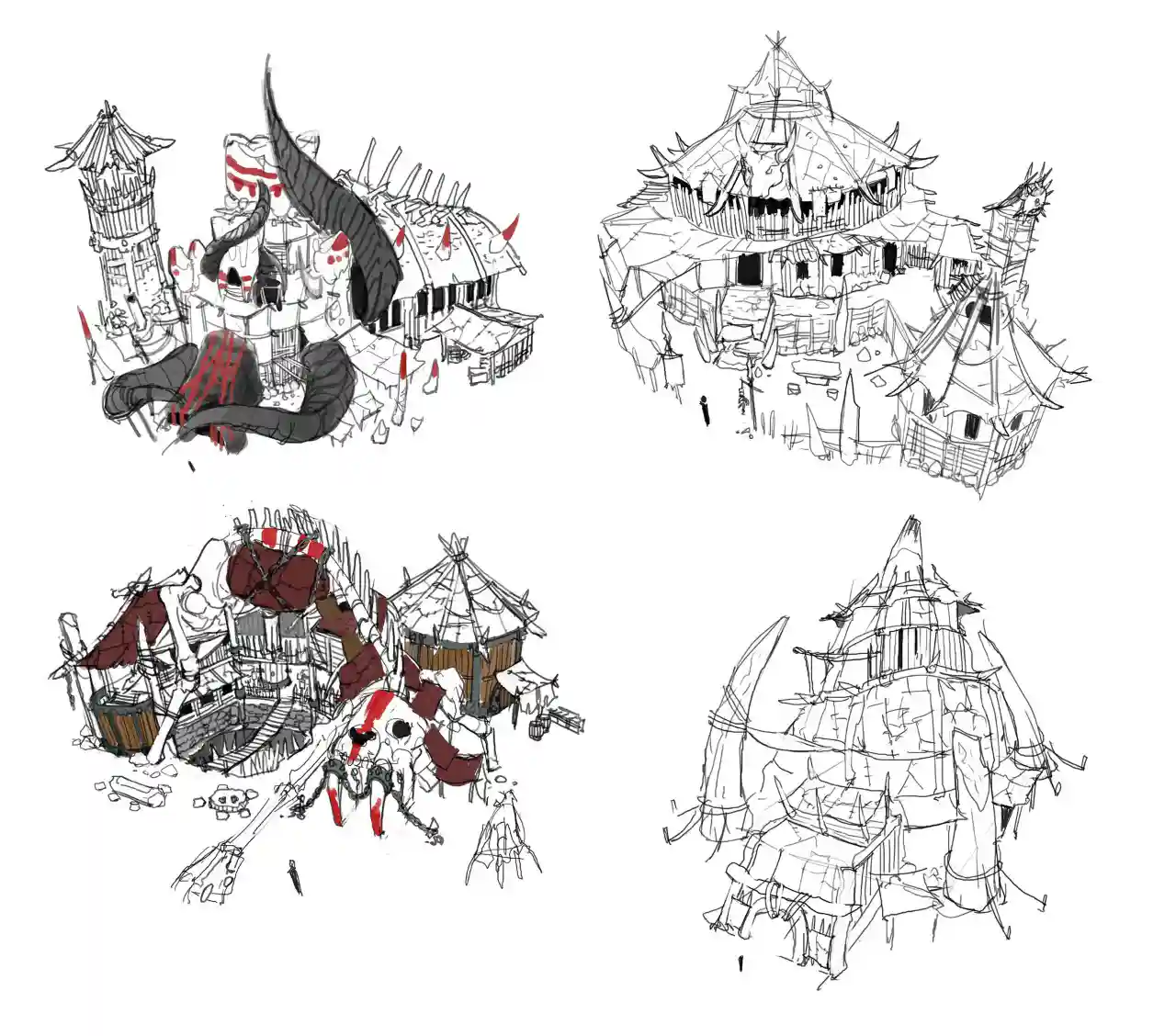
Works on visual effects shots and may contribute to compositing, effects creation, image manipulation or the integration of digital elements, depending on the role.
Compositor
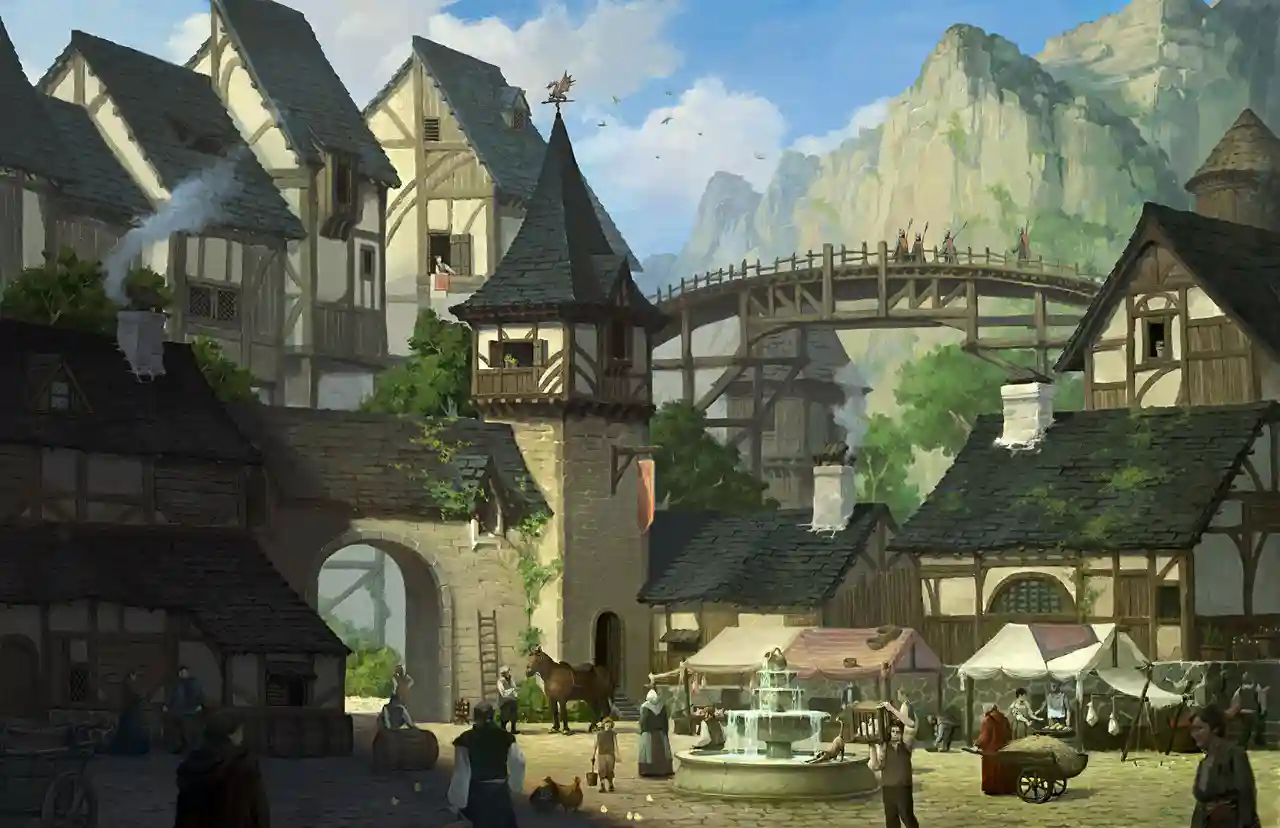
Combines live-action footage, rendered images and other visual layers into a coherent final shot. Compositing skills include masking, colour matching, integration, edge refinement and visual consistency.
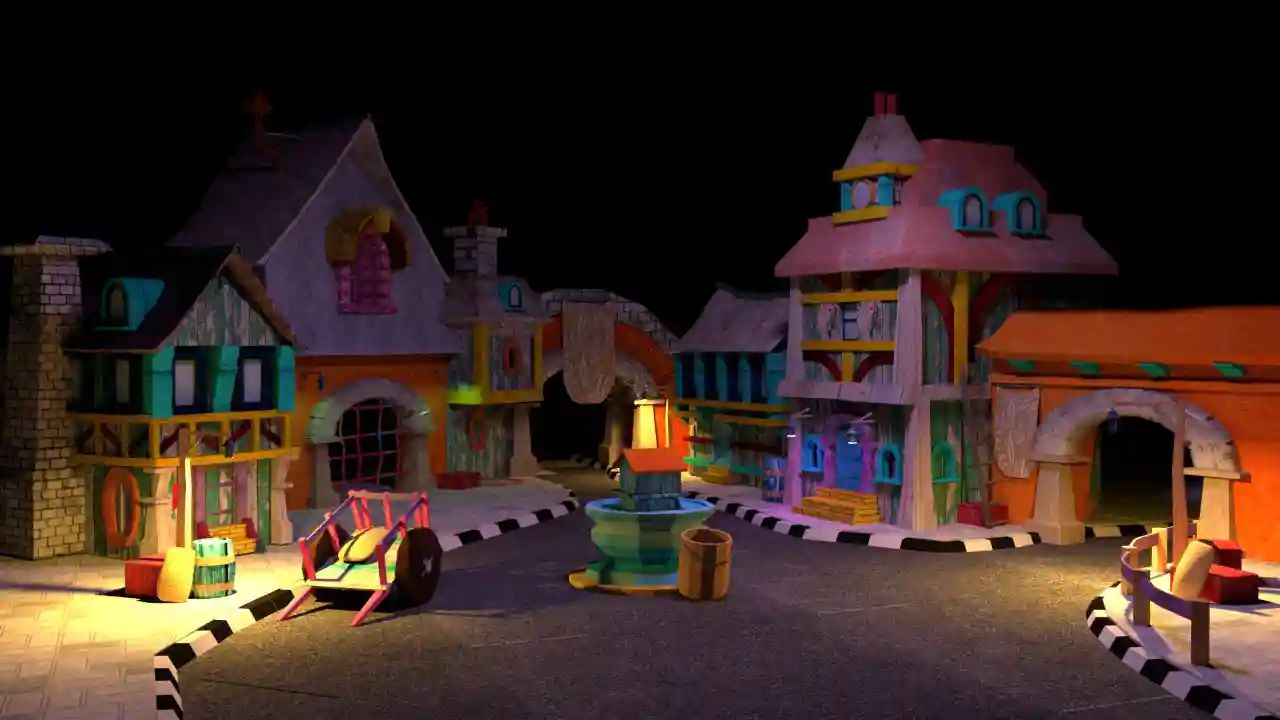
Rotoscopy Artist
Creates and refines masks around moving subjects or objects across video frames. Accuracy, attention to detail and consistency are important for this role.

Paint and Cleanup Artist
Removes unwanted objects, repairs image areas and prepares footage for further compositing. The role often requires patience, frame-to-frame consistency and careful image reconstruction.
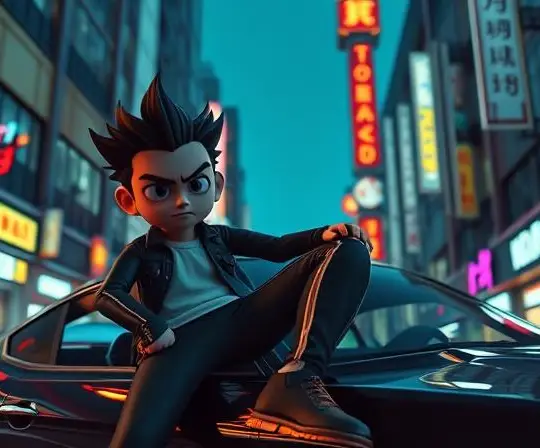
Matchmove Artist
Tracks camera or object movement so that digital elements can be placed accurately within live-action footage. Understanding perspective, camera motion and tracking workflows is useful.

Motion Graphics Artist
Creates animated text, graphic elements, transitions and visual sequences for advertising, branded content and video production. Design fundamentals and motion graphics software skills are relevant.
Student Work & Showreel
A VFX showreel demonstrates a student's ability to solve visual problems and create finished shots. It provides prospective employers with a more direct view of practical skills than a list of software applications alone.
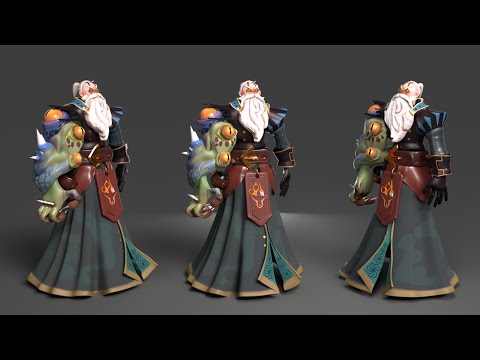
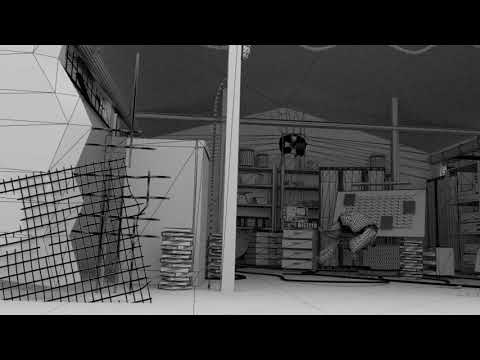
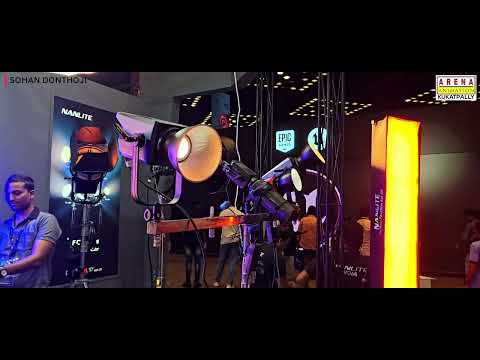
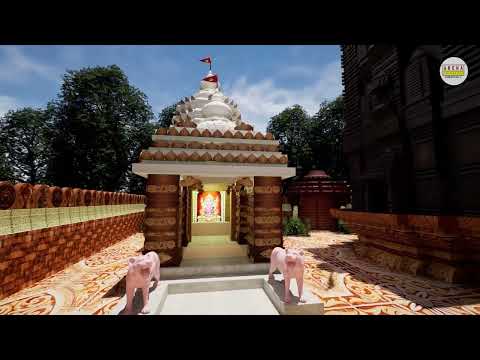

Where available, showcase authentic student work involving green-screen replacement, compositing, rotoscoping, paint and cleanup, camera tracking or 3D integration. Only include projects that genuinely demonstrate the techniques described. Each project should have a short description explaining its objective, the student's individual contribution, the software used and the main techniques involved.
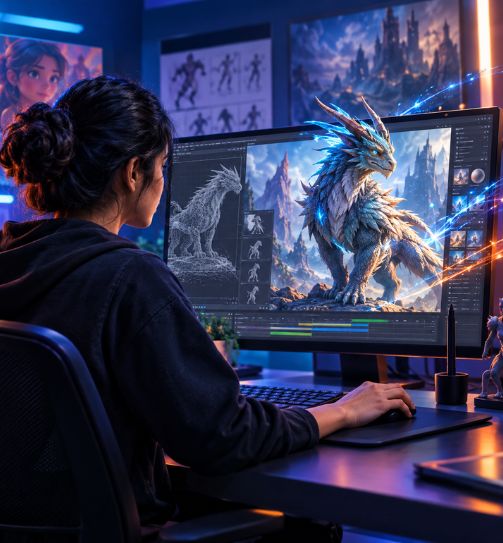
Learn. Practice. Build Your Portfolio. Get Career Ready.
Developing VFX skills requires repeated practice, careful observation and the ability to refine work after feedback. A structured learning process can help students move from individual techniques to more complete visual effects shots.
Practical assignments can be designed around specific production problems, such as isolating a subject, cleaning unwanted elements from footage, tracking camera movement or integrating a digital asset. Reviewing the result helps learners identify issues with edges, perspective, colour, lighting and continuity.
- 01Recruitment PartnersStudios, production houses & agencies
- 02Internship OpportunitiesReal project exposure
- 03Portfolio & Showreel SupportBuild and present your work
- 04Career GuidancePathways in the creative industry
Eligibility & Admission
Choosing the right VFX course begins with understanding the program's entry requirements, duration, curriculum and intended learning outcomes.
Arena Animation Kukatpally lists three VFX programs: the Advanced Program in Visual Effects, Advanced Program in VFX Compositing and Editing, and Advanced Program in VFX Film Making. The website specifies a duration of 604 hours for the Advanced Program in Visual Effects. The individual duration and eligibility requirements for the other two programs should be confirmed directly with the centre.
Course Duration
The published Advanced Program in Visual Effects runs for 604 hours across three terms. Teaching hours do not necessarily correspond to a fixed number of calendar months, so ask the admissions team for the current schedule and expected completion period.
Do not assume that the other two VFX programs have the same duration. Request their current syllabus and course details before comparing them.
Eligibility Requirements
Confirm the minimum educational qualification and any additional entry requirements for each program. The centre's general website FAQ states that its courses can be joined after Class 10, but the specific eligibility requirements should be checked for the selected VFX program.
Ask the admissions team whether prior computer, drawing or design experience is expected. Do not assume that all programs have identical requirements.
Admission Process
Students can use the enquiry form on the VFX course page to request current program information. Before enrolling, compare the available curricula, confirm course duration and eligibility, and ask which software and practical projects are included.
Also request the current fee structure, class schedule and list of documents required for admission. These details should be confirmed directly rather than assumed from another course.
Interested in VFX training in Kukatpally, Hyderabad? Contact Arena Animation Kukatpally to discuss the available programs, verify admission requirements and choose a course that matches your creative interests.
Check Your EligibilityFlexible VFX Learning Pathway
Visual effects includes several areas of specialization. Students can build their knowledge progressively, beginning with visual design and production fundamentals and then developing deeper skills in the areas that interest them most.
Learners who enjoy combining images may focus on compositing, keying and visual integration. Those who prefer precise frame-by-frame work may explore rotoscoping and paint. Students interested in integrating digital elements into moving footage can investigate matchmoving and camera tracking, while those who enjoy creating digital assets and effects may pursue 3D modelling, lighting, rendering or procedural FX.
Arena Animation Kukatpally lists separate programs in Visual Effects, VFX Compositing and Editing, and VFX Film Making. Ask the centre to explain the intended learning level, syllabus, duration and project expectations of each option before deciding which one to take.
Students can also compare the Animation Course and B.Voc. in 3D Animation & Visual Effects if they want a different combination of animation, 3D production and VFX subjects. These are distinct learning pathways and should be evaluated using their actual curriculum and admission requirements.
Why Study VFX in Kukatpally, Hyderabad?
Hyderabad is a growing hub for film, television, digital content, gaming and creative technology, offering studio opportunities, internships and a vibrant creative community.
Frequently Asked Questions
What is a VFX course?
A VFX course teaches techniques used to create, enhance or combine visual elements in film, television, advertisements and digital media. Depending on the curriculum, subjects may include compositing, green-screen keying, rotoscoping, tracking, 3D integration and effects creation.
What is the duration of a VFX course?
The published duration of the Advanced Program in Visual Effects at Arena Animation Kukatpally is 604 hours. The duration of the VFX Compositing and Editing and VFX Film Making programs should be confirmed with the centre.
What are the eligibility criteria for VFX courses?
Eligibility depends on the selected program. Arena Animation's general website FAQ states that students can join courses after Class 10, but confirm the specific educational requirements for your chosen VFX course before applying.
Which software is taught in VFX training?
The VFX page lists Nuke, Houdini, Silhouette, Autodesk Maya, Adobe After Effects, Photoshop, Premiere Pro and other tools. The exact applications and modules covered depend on the selected program. Request the latest syllabus for confirmation.
What is the difference between VFX and animation?
Animation focuses on creating movement in characters, objects and environments. VFX focuses on creating or enhancing visual elements and integrating them into footage or other scenes. The fields overlap, particularly when 3D animation and CGI assets are used in visual effects shots.
What career opportunities are available after a VFX course?
Potential roles include VFX artist, compositor, rotoscopy artist, paint and cleanup artist, matchmove artist, motion graphics artist, 3D generalist, and lighting and rendering artist. Career opportunities depend on individual skills, portfolio quality, experience and employer requirements.
Is prior drawing or design experience necessary to learn VFX?
Prior drawing or design experience can help with visual composition, colour and image preparation, but it is not the only skill required for VFX. Technical problem-solving, observation and practice are also important. Confirm whether your chosen program has specific entry requirements.
Where can I enquire about VFX course admission in Kukatpally, Hyderabad?
You can contact Arena Animation Kukatpally at KSR Plaza, 2nd Floor, above HDFC Bank, Kukatpally, Hyderabad – 500072. The website lists +91 99511 13007 and +91 99511 14007. You can also submit the enquiry form on the VFX course page to request the latest course details.

Ready to Start Your VFX Journey?
Join Arena Animation Kukatpally and turn your passion for visual effects into a creative career.
Or call +91 99511 13007