



VFX Compositing Course in Kukatpally
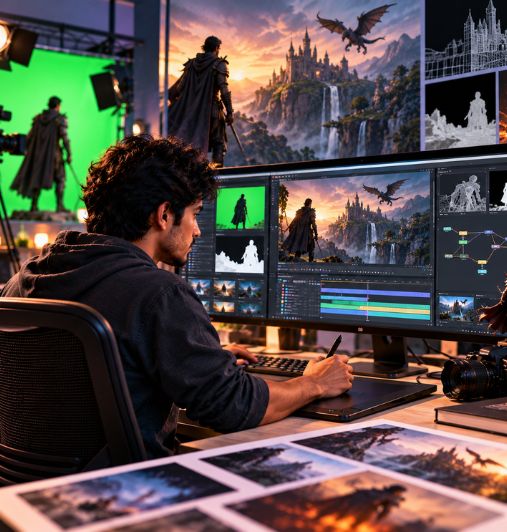
Visual effects compositing is the process of combining multiple visual elements, such as live-action footage, green screen backgrounds, computer-generated imagery (CGI), and digital effects, into a seamless final shot. It plays an important role in films, television, advertisements, web series, and digital video production.
The VFX Compositing Course in Kukatpally is a relevant learning option for students interested in understanding how visual effects shots are created, refined, and integrated into professional productions. Through compositing fundamentals, keying, rotoscoping, motion tracking, colour correction, and image integration, learners can develop an understanding of the techniques used to create believable visual effects.
Course enquiry form
excellence
Creative Education with Real-World Skills
At Arena Animation Kukatpally, prospective students can enquire about available VFX courses, software training, practical exercises, and showreel development. Whether you are beginning your journey in visual effects or exploring a specialised area of post-production, understanding compositing can help you build a foundation for further learning.
A structured course can help learners understand how individual visual elements work together to create a convincing final image. By studying compositing fundamentals, keying, rotoscoping, motion tracking, colour correction, and image integration, students can develop the technical knowledge and visual observation skills required in visual effects production.
Compositing requires a combination of technical knowledge, visual observation, precision, and creative problem-solving. Choosing a suitable training programme can help you understand how individual visual elements work together to create a convincing final image.
Explore the creative and technical side of visual effects by learning how separate images, footage, and computer-generated elements can become a convincing final composition.
Why Choose a VFX Compositing Course at Arena Animation Kukatpally?
Compositing requires a combination of technical knowledge, visual observation, precision, and creative problem-solving. Choosing a suitable training programme can help you understand how individual visual elements work together to create a convincing final image. When exploring VFX Compositing Training in Kukatpally, consider the following learning areas:
Compositing Fundamentals
Understand layers, masks, mattes, blending, and image integration.
Green Screen and Keying
Learn the concepts behind separating foreground subjects from chroma key backgrounds.
Rotoscoping
Explore techniques for isolating moving subjects and creating accurate mattes.
Motion Tracking
Understand how movement is analysed so visual elements can be aligned with footage.
Colour Correction and Matching
Learn how to balance colour, contrast, and visual consistency across different elements.
Visual Effects Workflow
Understand the process of preparing, combining, refining, and reviewing VFX shots.
Course Structure
A structured Visual Effects Course in Kukatpally can introduce learners to the process of building and refining composite shots. The following modules provide a suggested structure for the webpage and must be checked against the institute's actual curriculum before being presented as confirmed course modules.
Module 1
Fundamentals of VFX Compositing
- Understanding visual effects and compositing workflows
- Introduction to layers, channels, mattes, and image formats
- Working with foregrounds, backgrounds, and visual elements
- Understanding image resolution, frame rates, and shot requirements
Module 2
Layering, Masking and Matte Creation
- Understanding layers and compositing nodes or operations
- Creating and refining masks
- Working with alpha channels and mattes
- Combining visual elements into a single composition
Module 3
Chroma Keying and Green Screen Techniques
- Understanding green screen and blue screen footage
- Exploring chroma keying fundamentals
- Removing backgrounds and refining subject edges
- Addressing common issues such as spill and uneven backgrounds
Module 4
Rotoscoping and Motion Tracking
- Understanding frame-by-frame and assisted rotoscoping workflows
- Isolating moving subjects from footage
- Learning tracking fundamentals and motion analysis
- Using tracking information to position digital elements accurately
Module 5
Paint, Cleanup and Clean Plate Creation
- Understanding unwanted-object removal
- Exploring clean plate preparation
- Learning paint and cleanup concepts
- Repairing visual elements while maintaining background continuity
Module 6
Colour Correction and Image Integration
- Matching colour, contrast, and brightness across elements
- Understanding lighting consistency and perspective
- Refining edges and improving integration
- Creating a cohesive appearance across the final shot
Module 7
CGI Integration and Final Shot Preparation
- Understanding how computer-generated imagery is combined with live-action footage
- Matching scale, perspective, colour, and lighting
- Refining composite shots for visual consistency
- Reviewing shots and preparing final outputs
Module 8
Practical Projects and VFX Showreel
- Applying compositing techniques to project-based exercises
- Reviewing and refining individual shots
- Documenting project contributions where appropriate
- Selecting suitable work for a VFX showreel
What Will You Learn?
The VFX Compositing Course in Kukatpally can be positioned around the techniques used to combine visual elements and improve the realism of a final shot. The topics below are suggested learning areas; confirm which are included in the institute's current programme.
Green Screen Removal
Understand how to separate a subject from a coloured background.
Chroma Keying
Explore techniques for generating mattes and refining foreground edges.
Rotoscoping
Learn how moving subjects can be isolated when automatic keying is insufficient.
Match Moving & Motion Tracking
Understand how camera or object movement can be tracked to support accurate integration.
Clean Plate Creation
Explore the preparation of background plates for removing unwanted objects or elements.
Paint and Cleanup
Understand techniques used to repair footage and remove visual distractions.
Matte Integration
Combine foregrounds, backgrounds, and masks to create a cohesive image.
CGI Compositing
Explore how rendered 3D elements can be integrated into live-action scenes.
Lighting Consistency
Examine shadows, highlights, and lighting direction when combining visual elements.
Colour Matching
Balance colour, contrast, saturation, and exposure to improve integration.
Final Shot Preparation
Understand image review, quality checks, and export requirements.
These techniques are relevant to different parts of a VFX pipeline. The depth of training in each area depends on the actual syllabus and practical exercises offered.
Industry-Standard Software & Tools
VFX compositing software helps artists combine images, isolate subjects, track movement, apply corrections, and prepare visual effects shots. The tools available at Arena Animation Kukatpally should be verified with the institute before describing them as part of the course.
Different software applications serve different purposes, and not every programme teaches all of them. Contact the institute to confirm which compositing tools, software versions, and practical workflows are included in its current curriculum.
Career Opportunities After a VFX Compositing Course
Compositing is one of the specialised areas within the wider visual effects production pipeline. Learners who develop relevant technical skills and a strong portfolio may explore entry-level opportunities in post-production, film, television, advertising, and digital content creation. Potential career paths include:
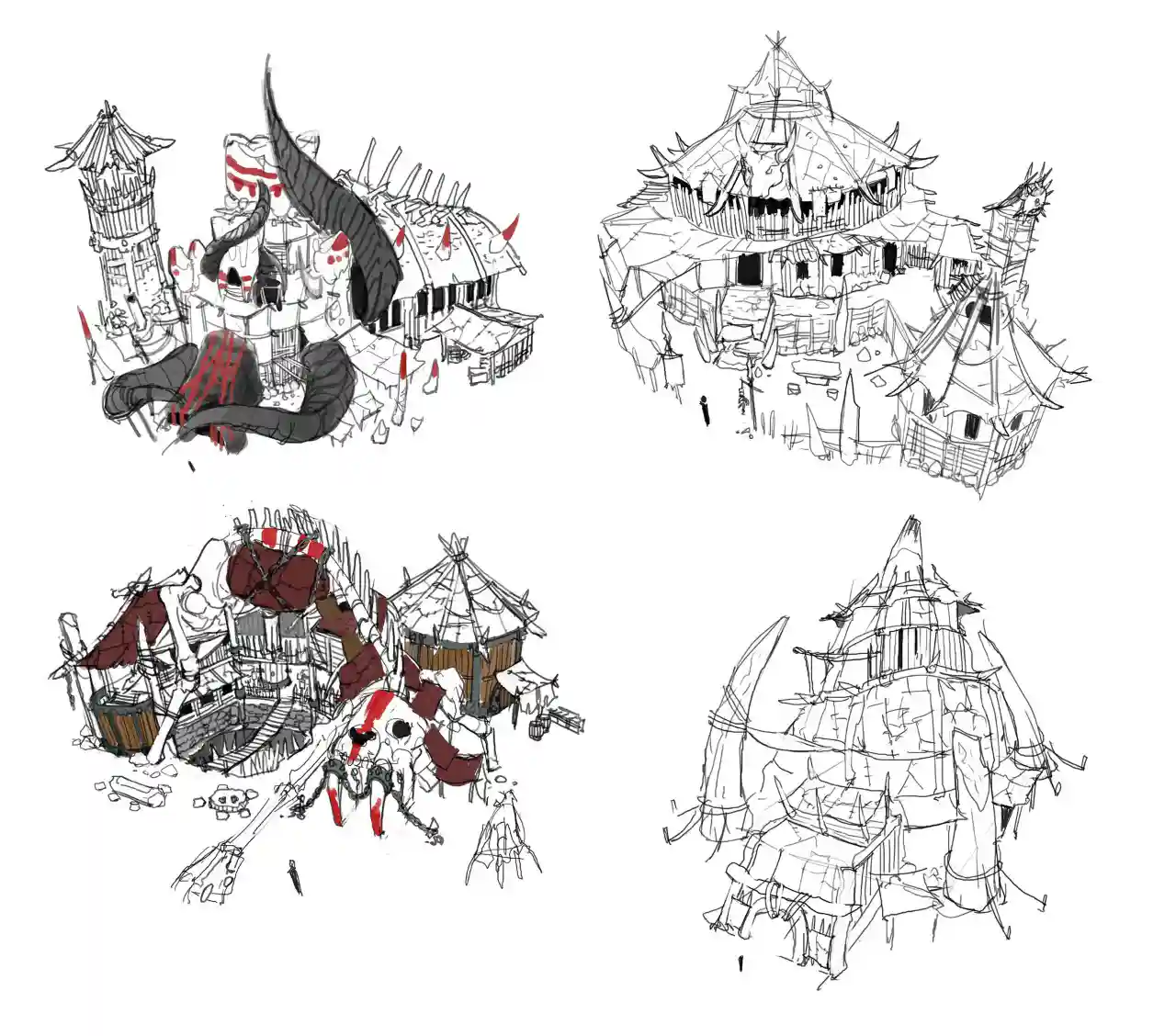
VFX Compositor
Combines live-action footage, CGI, and other visual elements into a seamless shot.
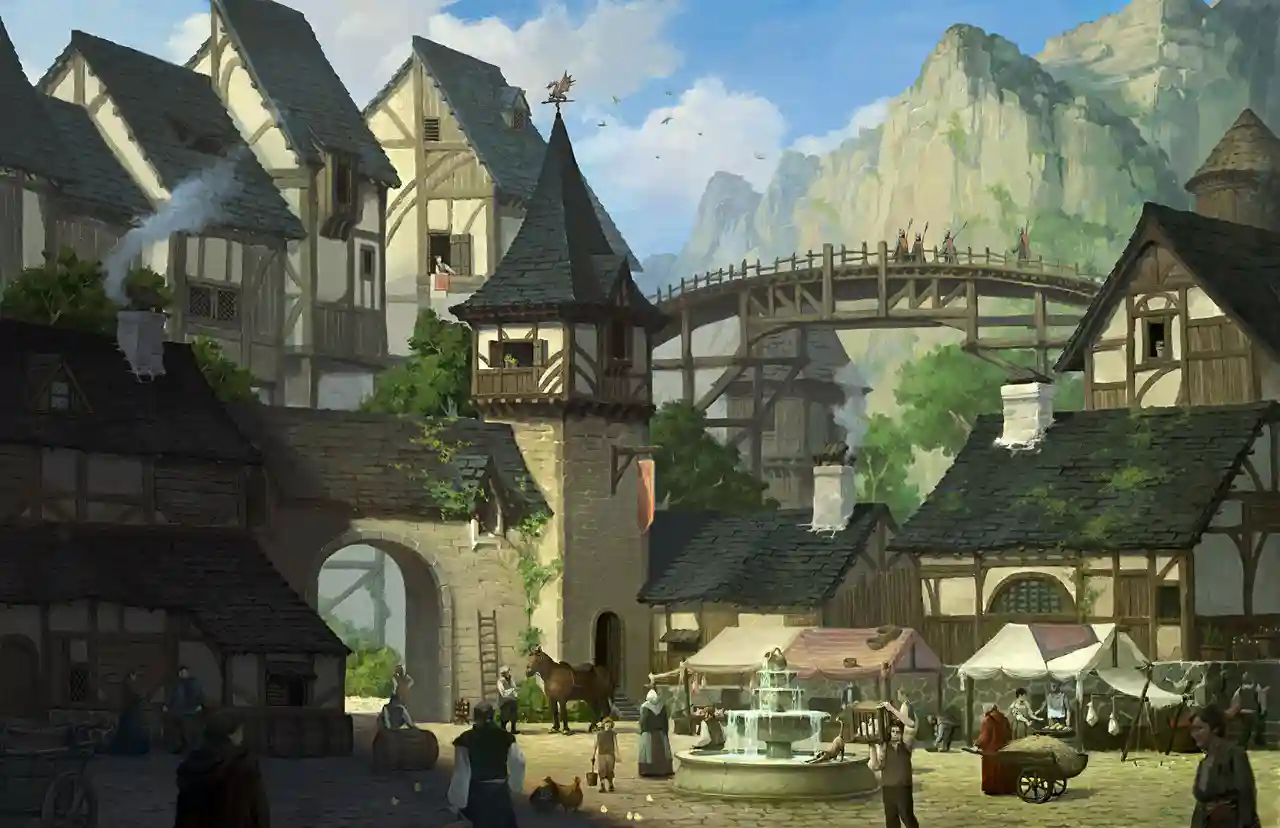
Roto Artist
Creates mattes to isolate people, objects, and other elements from footage.
Matchmove Artist
Tracks camera or object movement to help integrate computer-generated elements into live-action scenes.
Paint and Prep Artist
Cleans up footage, removes unwanted elements, and prepares shots for later production stages.
Keying Artist
Works with green screen and other chroma key footage to separate foreground subjects from backgrounds.

Junior VFX Artist
Assists with visual effects tasks according to project requirements and demonstrated skills.
Career progression depends on practical ability, software proficiency, the quality of the showreel, production experience, and employer requirements. Students should treat these roles as potential career paths rather than guaranteed outcomes.
Student Projects & VFX Showreel
Practical exercises help learners apply compositing techniques to visual challenges. A showreel allows aspiring artists to present selected shots and demonstrate how they approach image integration, detail, and visual consistency. Depending on the confirmed curriculum, project ideas may include:
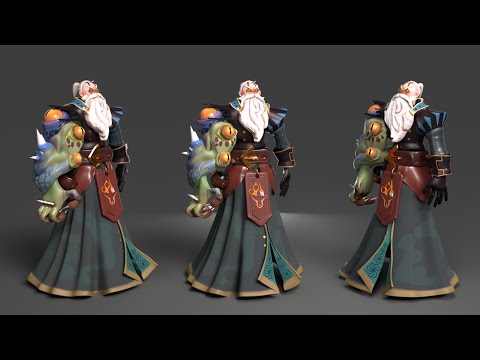
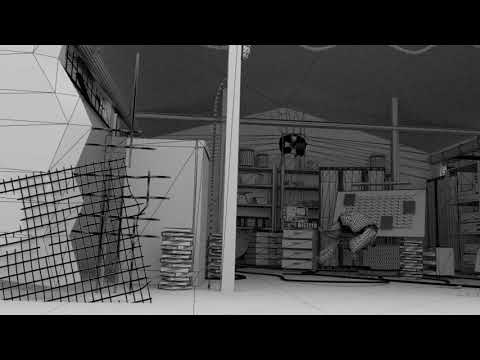
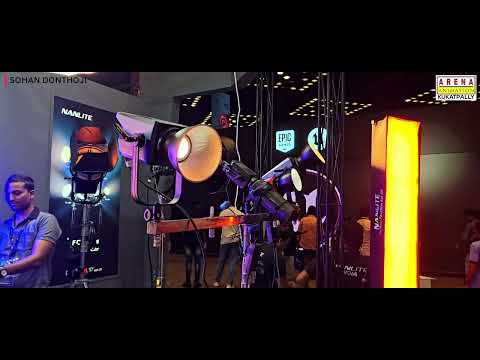
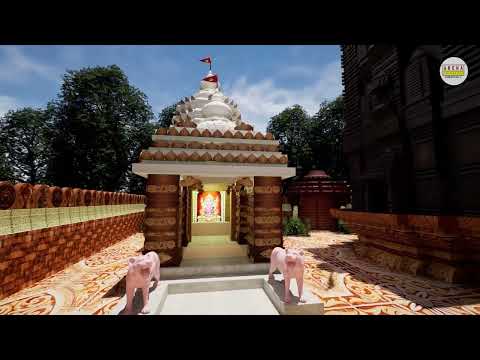

Project ideas may include: green screen background replacement; chroma keying and edge-refinement exercises; rotoscoping and matte creation; object removal and clean plate preparation; paint and cleanup tasks; motion-tracked graphics integration; live-action and CGI compositing; and colour matching and final shot refinement. A well-organised VFX showreel should prioritise the strongest work and demonstrate the artist's individual contribution. Where appropriate, it can include a short breakdown showing the original footage, individual layers, mattes, and final composite.
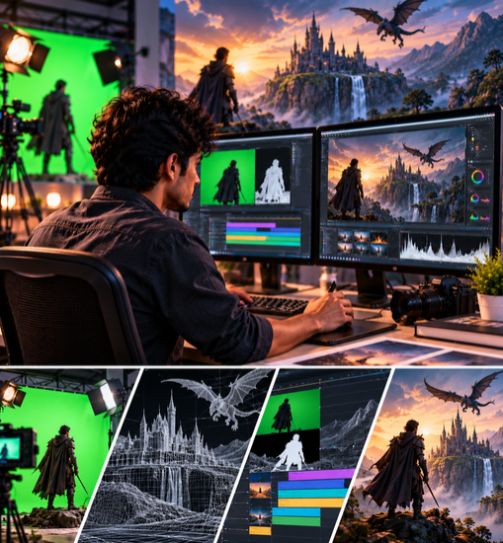
Learn. Create. Composite. Build Your Showreel. Get Career Ready.
Explore the creative and technical side of visual effects by learning how separate images, footage, and computer-generated elements can become a convincing final composition.
A focused learning pathway can help you understand compositing fundamentals, practise keying and rotoscoping, explore motion tracking, and develop an eye for colour, lighting, and visual continuity. At Arena Animation Kukatpally, enquire about the available VFX compositing programme, its software requirements, practical training format, and opportunities to build a portfolio.
- 01Recruitment PartnersVFX studios & post-production houses*
- 02Internship OpportunitiesReal project exposure*
- 03Showreel & Portfolio SupportBuild and present your work
- 04Career GuidancePathways in visual effects
Ready to explore VFX compositing classes in Kukatpally? Contact Arena Animation Kukatpally to learn about the current course, upcoming batches, and admission options.
Enquire NowEligibility & Admission
VFX compositing may interest students who enjoy visual storytelling, filmmaking, digital art, image editing, and technical problem-solving. The eligibility requirements for the programme offered by Arena Animation Kukatpally should be confirmed directly with the institute.
Who Can Explore This Course?
- Beginners interested in visual effects and post-production
- Students exploring animation and VFX as a creative field
- Aspiring artists interested in compositing and image integration
- Graphic designers interested in learning visual effects techniques
- Video creators who want to understand green screen and compositing workflows
Previous compositing experience may not be required for a beginner-level programme, but this depends on the specific course.
How to Enquire About Admission
- Contact Arena Animation Kukatpally and ask about the VFX Compositing Course.
- Request the current syllabus and confirm the software covered.
- Ask about eligibility, course duration, fees, and batch timings.
- Confirm the practical training format, system requirements, and project work.
- Check the certification details and portfolio support, if offered.
- Follow the institute's official enrolment procedure.
Contact the admissions team for accurate, current information before making an enrolment decision.
Check Your EligibilityCourse Duration & Learning Pathway
The duration of the VFX Compositing Course in Kukatpally depends on the programme currently available at the institute. Confirm the official duration, schedule, and module sequence before publishing specific timelines.
A possible learning pathway may cover several key stages. It begins with compositing fundamentals, where learners understand layers, masks, mattes, and image composition. This is followed by keying and rotoscoping, focusing on foreground extraction and matte refinement. Learners then explore tracking and cleanup, practising motion tracking, paint, and clean plate techniques.
As the pathway progresses, students move into colour correction and integration to improve consistency across lighting, colour, and image elements. Advanced shot exercises allow learners to practise integrating CGI and live-action elements, if included in the programme. Finally, showreel development helps students select and refine projects that demonstrate technical progress.
Ask Arena Animation Kukatpally whether the course includes advanced compositing, supervised project work, individual feedback, and showreel guidance.
Why Study VFX Compositing in Kukatpally, Hyderabad?
Hyderabad is a growing hub for film, television, digital content, gaming and creative technology, offering studio opportunities, internships and a vibrant creative community.
Frequently Asked Questions
What is the duration of the VFX Compositing Course in Kukatpally?
The duration depends on the programme offered by Arena Animation Kukatpally. Contact the institute for the current course length, batch schedule, and learning format.
What are the eligibility requirements for a VFX compositing course?
Eligibility requirements may vary by programme. Ask the admissions team about educational qualifications, prior knowledge, and any other admission criteria.
Do I need prior VFX or graphic design skills?
A beginner-level programme may introduce the fundamentals from the start, while specialised courses may expect prior knowledge. Confirm the entry requirements for the available programme.
Which software is used for VFX compositing?
Foundry Nuke and Adobe After Effects are examples of software used in compositing workflows. Adobe Photoshop can also support image preparation and cleanup. Confirm which applications are actually taught at Arena Animation Kukatpally.
Does the course include practical training?
Practical work is important for understanding compositing. Ask the institute whether the course includes green screen exercises, rotoscoping, tracking, cleanup, colour correction, and supervised project work.
What is the difference between VFX and compositing?
Visual effects (VFX) is the broader field of creating or modifying imagery for film, television, advertising, and other media. Compositing is a specialised part of that field that combines different visual elements into a unified image or shot.
Will I develop a VFX showreel during the course?
A showreel can help demonstrate compositing techniques and project work to potential employers. Confirm whether showreel development, project reviews, and portfolio feedback are included in the course.
What career opportunities are available after learning VFX compositing?
Potential roles include VFX Compositor, Roto Artist, Matchmove Artist, Paint and Prep Artist, Keying Artist, and Junior VFX Artist. Opportunities depend on your skills, portfolio, experience, and employer requirements.

Ready to Start Your VFX Compositing Journey?
Join Arena Animation Kukatpally and build practical visual effects skills for your creative career.
Or call +91 99511 13007